
Radiology & Diagnostic Imaging
Answers that move care forward
Advanced imaging. Thoughtful interpretation.
Radiology gives veterinarians a detailed look at structures that cannot be fully evaluated during a physical examination alone. At COVE, imaging is connected to the rest of your pet's care so findings can inform the safest next step.
Our radiologists are board-certified and based in Central Ohio. Radiographs taken during COVE emergency visits are reviewed by radiologists to support accurate, coordinated care.
Diagnostic imaging services
The right view for the question at hand
Each imaging method reveals different information. Your veterinarian will recommend the study that best fits your pet's symptoms, history, and medical needs.
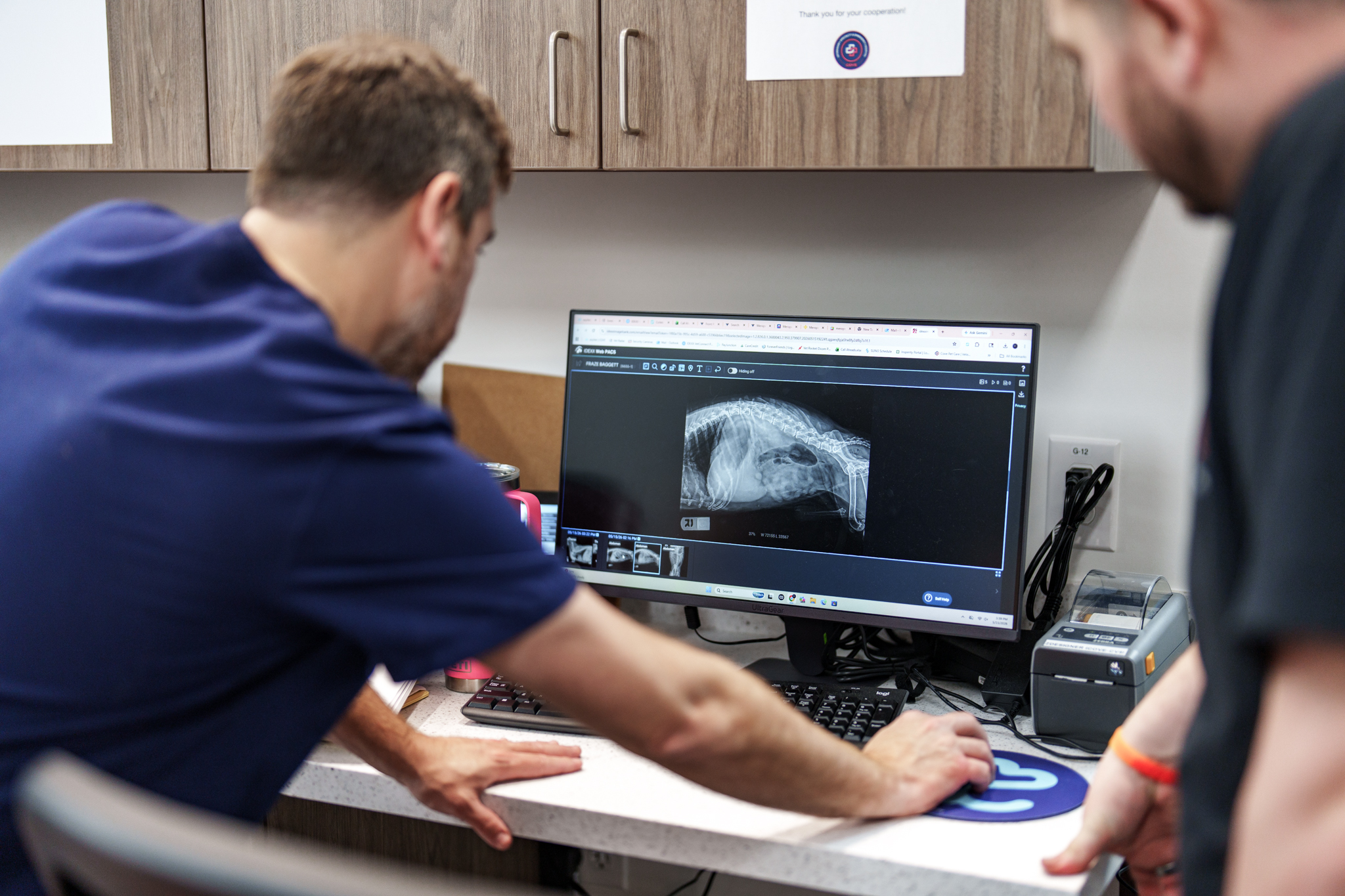
Digital radiology
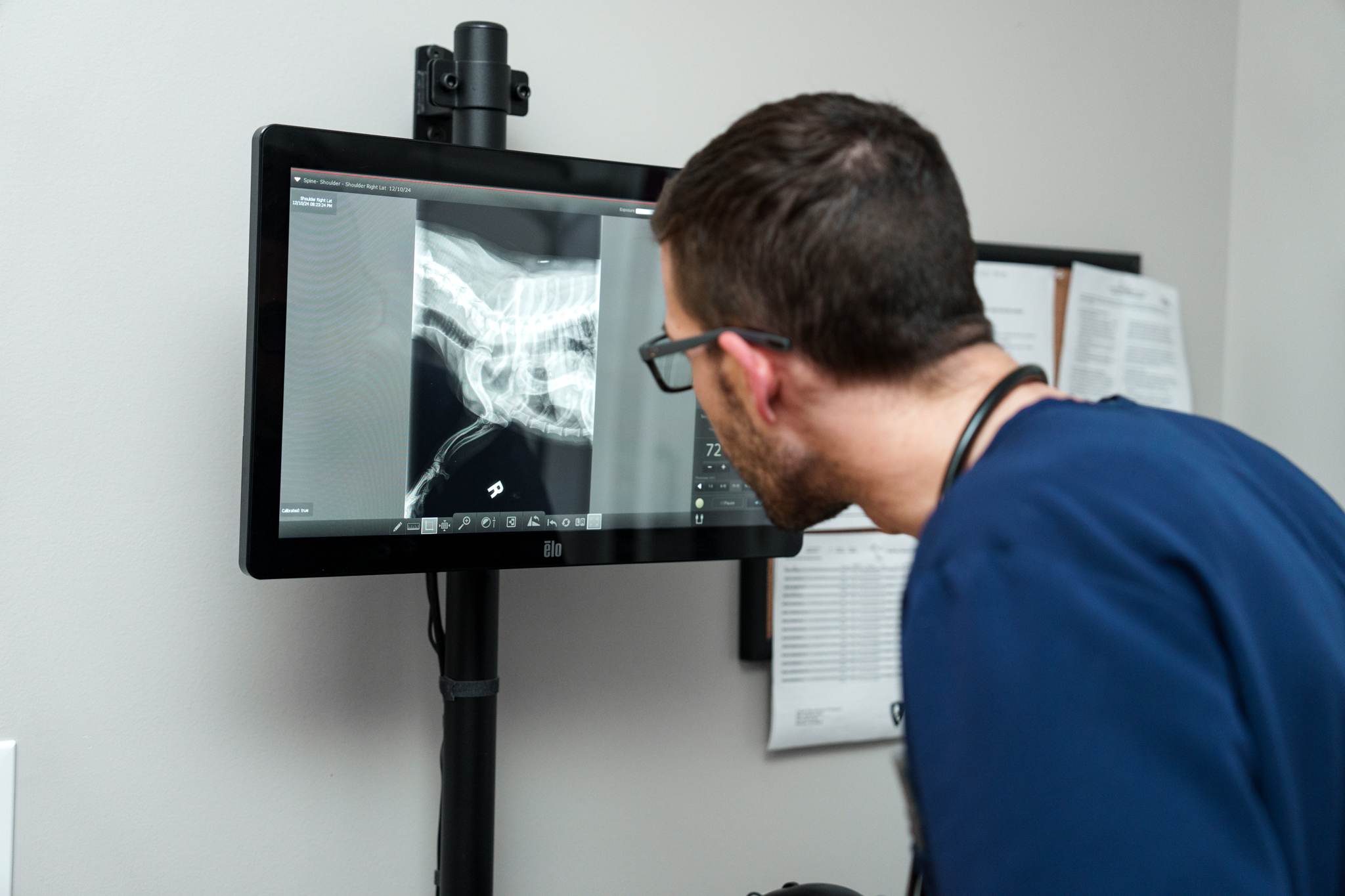
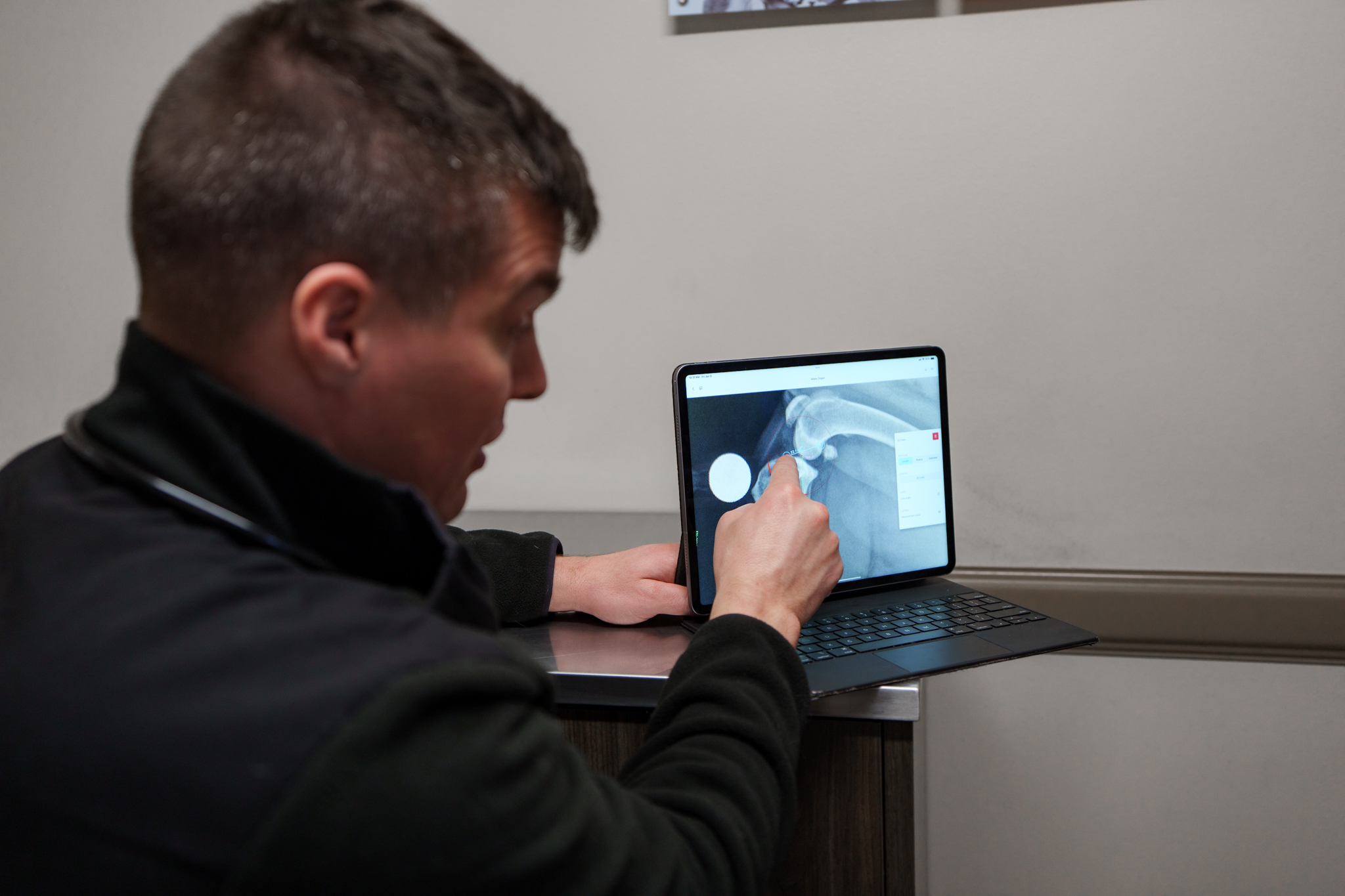
Digital X-rays quickly create detailed images of bones, joints, the chest, the abdomen, and other structures. They can help evaluate injuries, breathing concerns, swallowed objects, and many other conditions.
Ultrasound
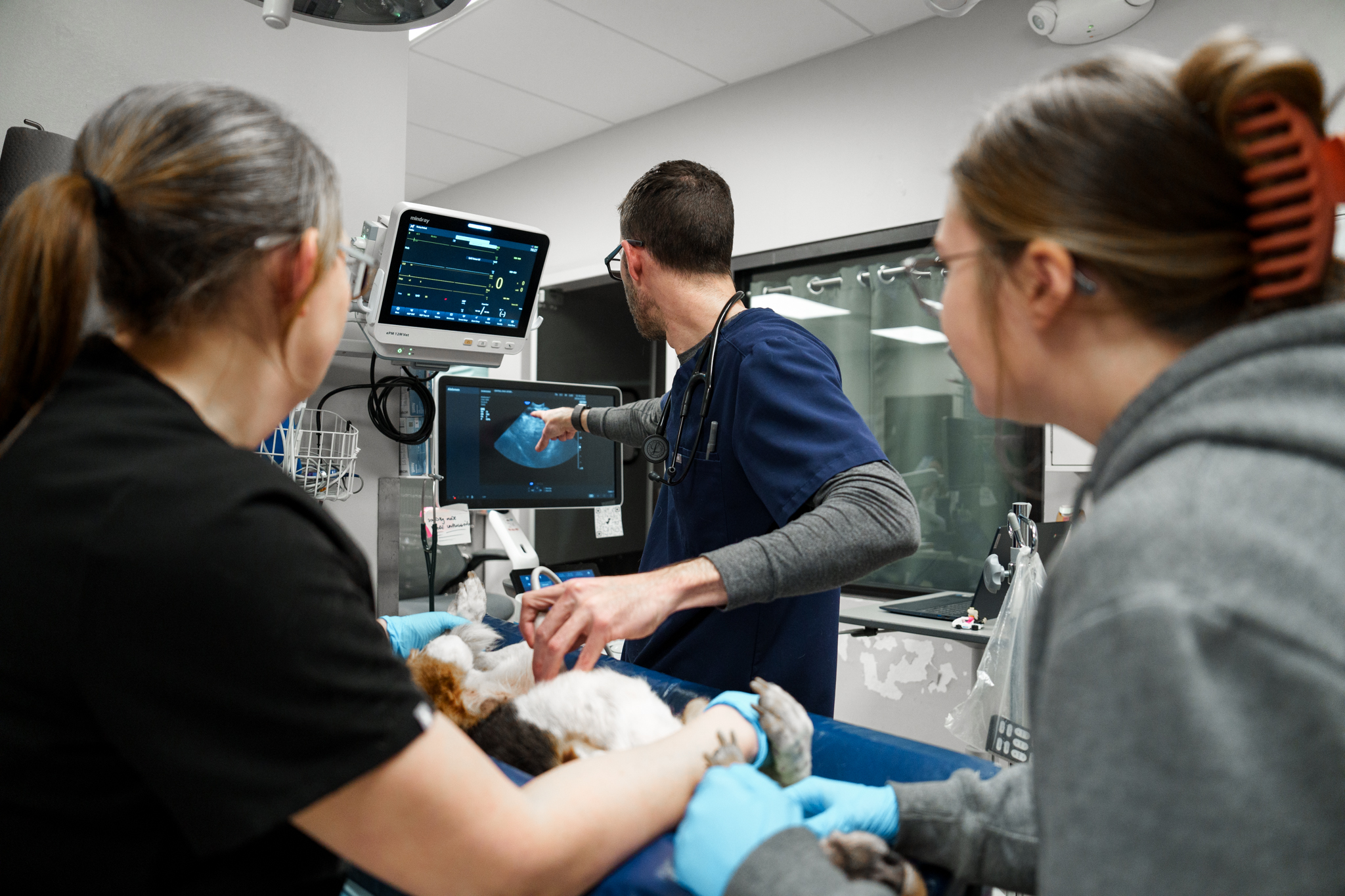
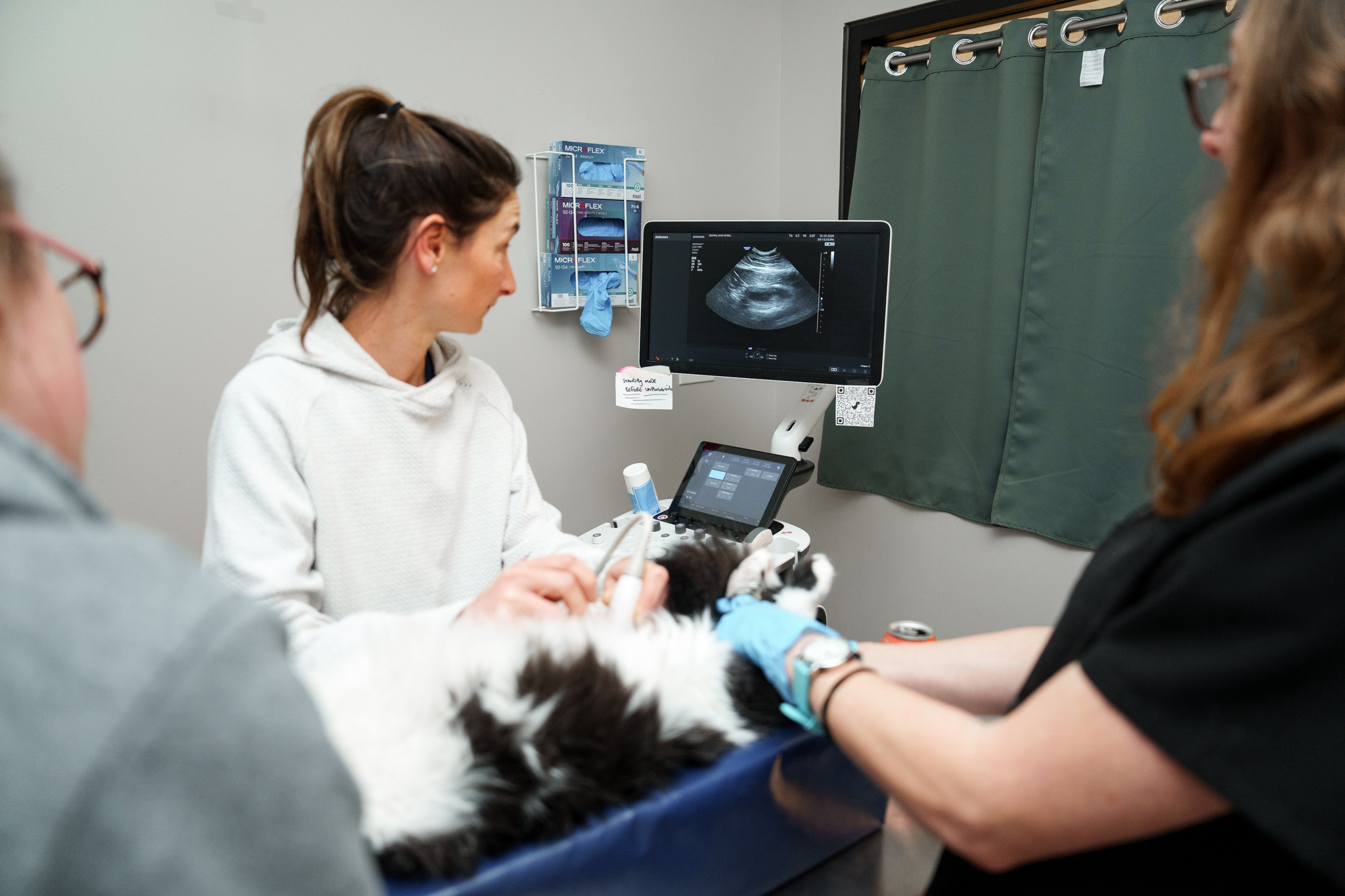
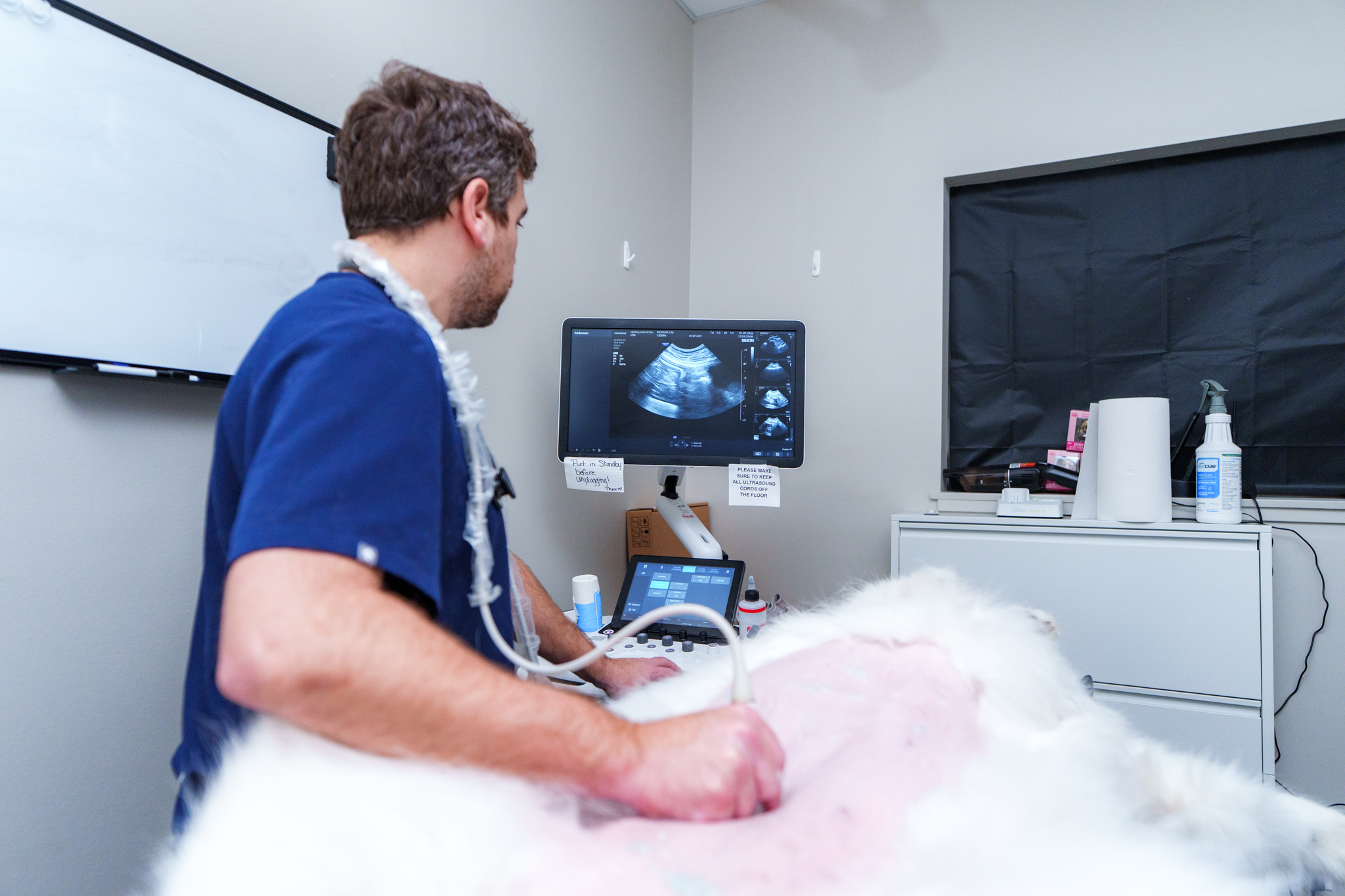
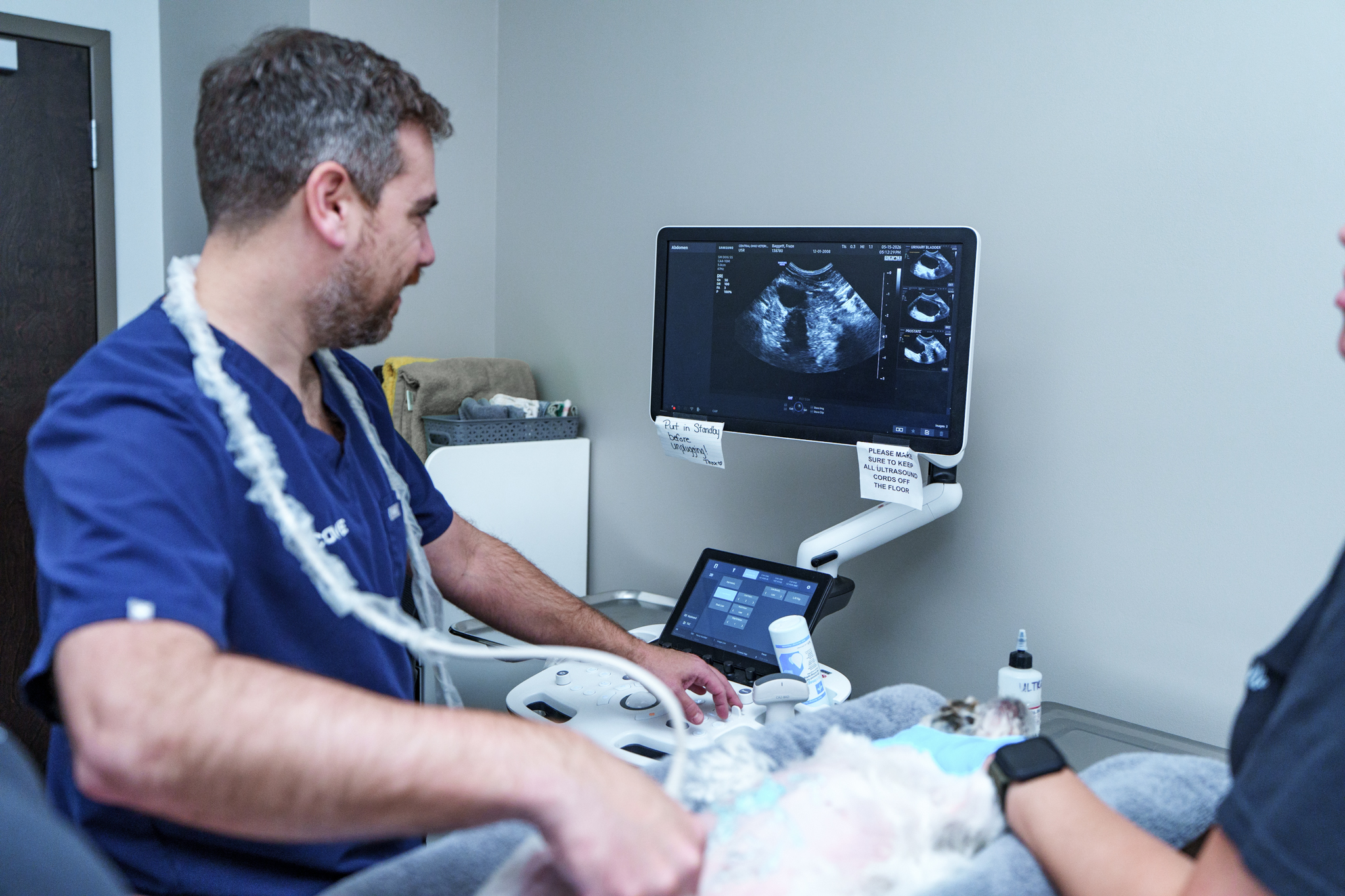
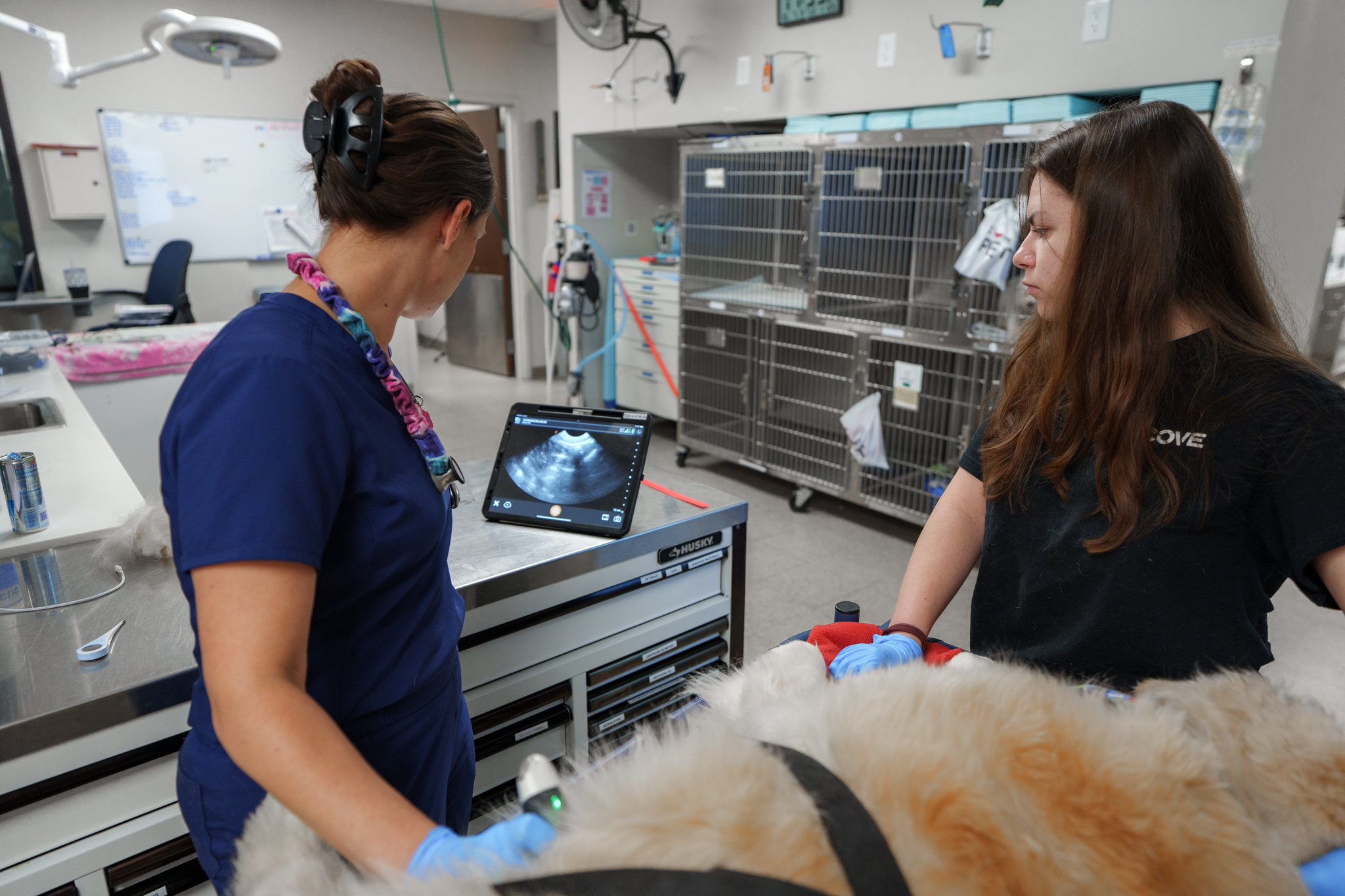
Ultrasound uses sound waves to view internal organs and soft tissues in real time. COVE offers ultrasound for in-hospital patients and outpatient cases when scheduled through the care team.
Specialist interpretation
Board-certified radiologist review adds focused imaging expertise. Findings are shared with the veterinary team so the results can be considered alongside the physical exam, laboratory work, and clinical history.
One connected care team
Images are only the beginning.
Imaging is most useful when it is interpreted in context. COVE works as a team with you, your veterinarian, and the specialists involved in your pet's care to understand the complete medical history and current concern.
Together, we use those findings to identify practical next steps - whether that means monitoring, more testing, medical treatment, or a procedure.
When imaging may help
More information when symptoms do not tell the whole story
Your veterinarian may recommend diagnostic imaging when an examination or laboratory testing suggests a closer look is needed.
Evaluate bones, joints, the chest, or abdomen after trauma or an unexplained change in comfort.
Look for changes involving abdominal organs, the gastrointestinal tract, or a possible obstruction.
Assess the lungs, heart silhouette, chest cavity, and surrounding structures.
Examine the bladder, kidneys, and related structures when urinary disease is suspected.
Gather more detail when a physical finding or bloodwork result warrants further investigation.
Compare changes over time and help the care team evaluate how a condition is progressing.
A focused diagnostic plan
Built around your pet - not just the image.
The best imaging plan balances the clinical question, patient comfort, urgency, and the information your veterinary team needs to make a decision.
Previous records and the current concern help determine what to image.
Positioning and handling are planned with safety and stress reduction in mind.
Emergency and hospitalized patients receive imaging as their condition requires.
Findings are connected back to the veterinarian directing the treatment plan.
What to expect
A clear process from question to next step
Clinical review
Your veterinary team reviews the concern, history, examination findings, and any prior testing.
Imaging plan
We select the study and views most likely to answer the clinical question.
Image acquisition and review
The team obtains the images and coordinates interpretation, including radiologist review when indicated.
Results and recommendations
Your veterinarian explains the findings and how they may affect monitoring, treatment, or additional testing.
Communication matters
Care that stays connected
A diagnostic image should lead to an understandable plan. COVE brings together the imaging findings, the clinical picture, and the people responsible for your pet's care.
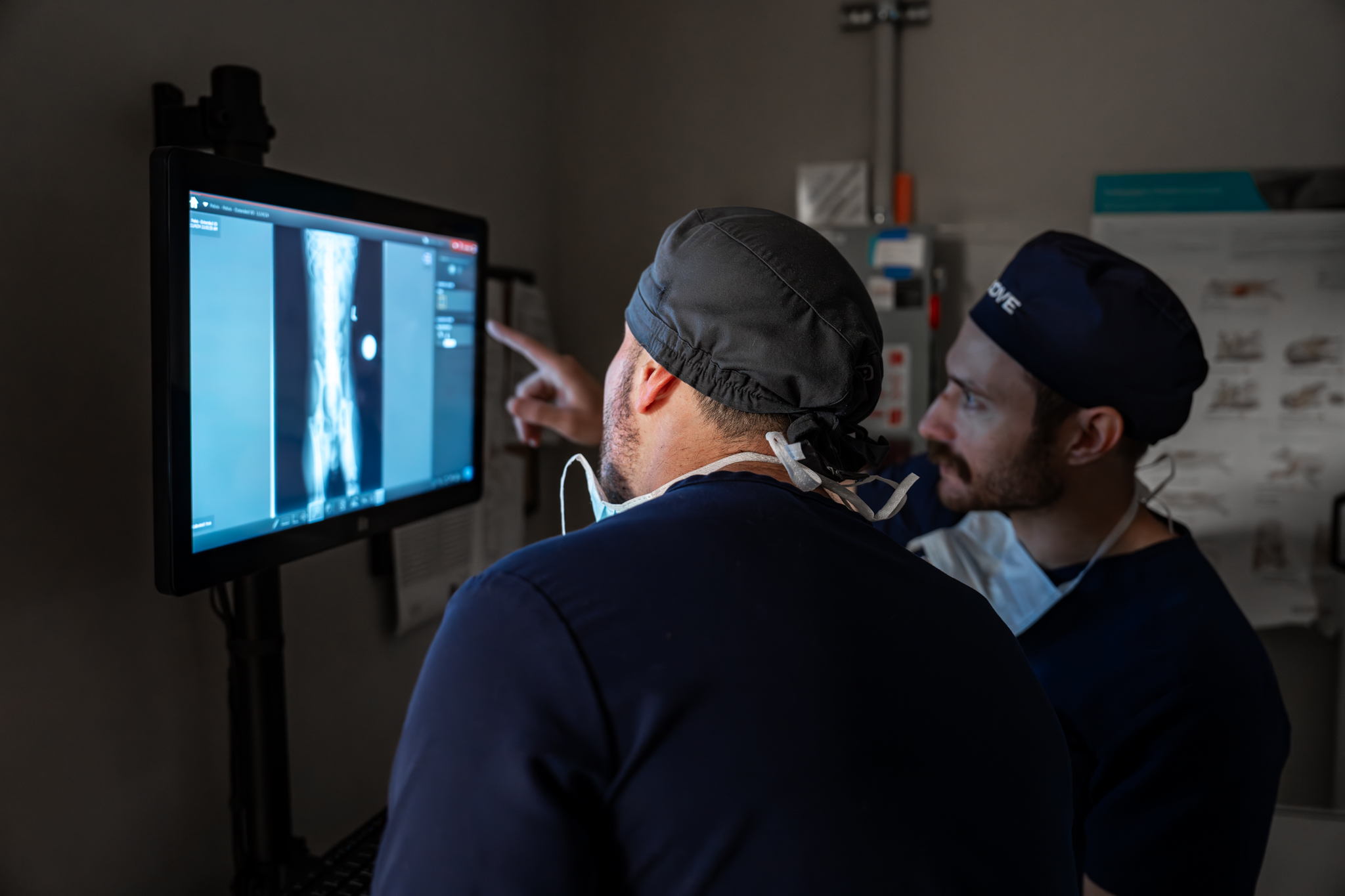
Inside COVE diagnostic imaging
Technology supported by an experienced team
Helpful resources
Diagnostic Imaging Guides
Learn what common imaging studies can show, how they differ, and what your veterinary team may recommend next.
Pet X-Rays for Dogs and Cats
Learn what X-rays can show and what owners can expect during imaging.
Read More →Ultrasound for Dogs and Cats
See how ultrasound evaluates internal organs, soft tissue, fluid, and movement.
Read More →X-Ray vs. Ultrasound
Understand how the two imaging methods differ and why a veterinarian may recommend one or both.
Read More →Foreign Body Obstruction
Learn how imaging helps evaluate a suspected swallowed object or intestinal obstruction.
Read More →Radiology questions
Helpful details before your visit
Does my pet need a referral for radiology?
Requirements can depend on the type of study and whether your pet is already receiving care at COVE. Call the hospital and our team can explain the appropriate next step.
Does COVE offer outpatient ultrasound?
Yes. COVE offers in-house and outpatient ultrasound. Please call to discuss availability, scheduling, and the records the team may need.
Who interprets the images?
COVE works with board-certified radiologists located in Central Ohio. Radiographs taken during emergency visits are reviewed by radiologists to support the care plan.
How should I prepare my pet?
Preparation varies by study and patient. The scheduling or care team will tell you whether food, medications, arrival time, or other instructions need to change.
What is the difference between an X-ray and an ultrasound?
X-rays are especially useful for evaluating bones, the chest, and overall structure. Ultrasound provides a real-time view of internal organs and soft tissues. Your veterinarian will recommend the study that best fits the clinical question.
Will my pet need sedation?
Many imaging studies can be completed without sedation. It may be recommended when a patient is painful, anxious, or needs to remain very still for accurate images. The team will discuss this with you when it applies.
How long does a radiology appointment take?
Timing depends on the study, the number of images needed, and your pet's individual needs. The scheduling team can provide the best estimate for your appointment and explain the arrival process.
When will I receive the results?
Timing varies with the type and urgency of the study. Your veterinarian will explain how the findings will be reviewed, when results are expected, and how they affect the recommended next step.
Plan the next step
Talk with COVE about diagnostic imaging
Call the hospital nearest you to ask about imaging availability, outpatient ultrasound scheduling, referral details, or care for a current COVE patient.
Delaware Hospital
585 Sunbury Rd
Delaware, OH 43015
Clintonville Hospital
3134 N High St
Columbus, OH 43202