
Emergency Surgery
Two locations
Where would you like to go?
Delaware Hospital
585 Sunbury Rd, Delaware, OH 43015
Emergency & critical care. Always open.
Clintonville Hospital
3134 N High St, Columbus, OH 43202
Open daily · 8 AM–12 AM
Do not wait
Signs your pet may need emergency surgery
You do not need to know whether surgery is necessary before coming in. These signs warrant immediate veterinary evaluation.
Especially with a swollen abdomen, restlessness, pain, or inability to keep water down.
Weakness, sudden collapse, a racing heartbeat, or pale gums can signal internal bleeding or shock.
Toys, socks, string, corn cobs, bones, and other objects can obstruct or damage the digestive tract.
Repeated straining with little or no urine—especially in a male cat—is a life-threatening emergency.
A tense belly, guarding, crying, a hunched posture, or inability to get comfortable needs prompt care.
Hard straining without delivery, prolonged labor, weakness, or distress may require urgent intervention.
Emergency procedures
Complex surgical care when time matters
The team stabilizes each patient first, confirms the problem, and recommends surgery only when it is the safest next step.
Foreign body removal
Surgery may be needed when a swallowed object blocks the stomach or intestines, cannot be removed safely by endoscopy, or has damaged the digestive tract.
GDV surgery
Gastric dilatation-volvulus twists and enlarges the stomach, cuts off blood flow, and requires immediate stabilization and surgical correction.
Splenectomy / hemoabdomen
A ruptured splenic mass can cause sudden internal bleeding. Emergency surgery may be recommended to remove the spleen and control hemorrhage.
Pyometra surgery
Pyometra is a serious uterine infection in an unspayed dog or cat. Surgery is often the definitive treatment after the patient is stabilized.
Cystotomy & urethral surgery
Bladder stones and recurrent urethral obstruction may require cystotomy, perineal urethrostomy, or another procedure based on the cause.
Emergency C-section
When labor is obstructed or the mother or offspring are in danger, the team can evaluate dystocia and perform a C-section when indicated.
What happens next
From emergency arrival to recovery
Emergency surgery is a process, not a rushed handoff. The team keeps you informed as the clinical picture becomes clear.
Triage & stabilization
The most critical threats—pain, shock, breathing difficulty, bleeding, or dehydration—are addressed first.
Diagnostics
Exam findings, lab work, X-rays, ultrasound, and other testing help confirm whether surgery is needed.
A clear recommendation
The team explains the diagnosis, options, risks, expected cost, and urgency before authorized treatment whenever the patient's condition allows.
Surgery & monitoring
Anesthesia, surgery, pain control, and postoperative monitoring are tailored to your pet's condition and recovery needs.
Why COVE
One local team for the whole emergency
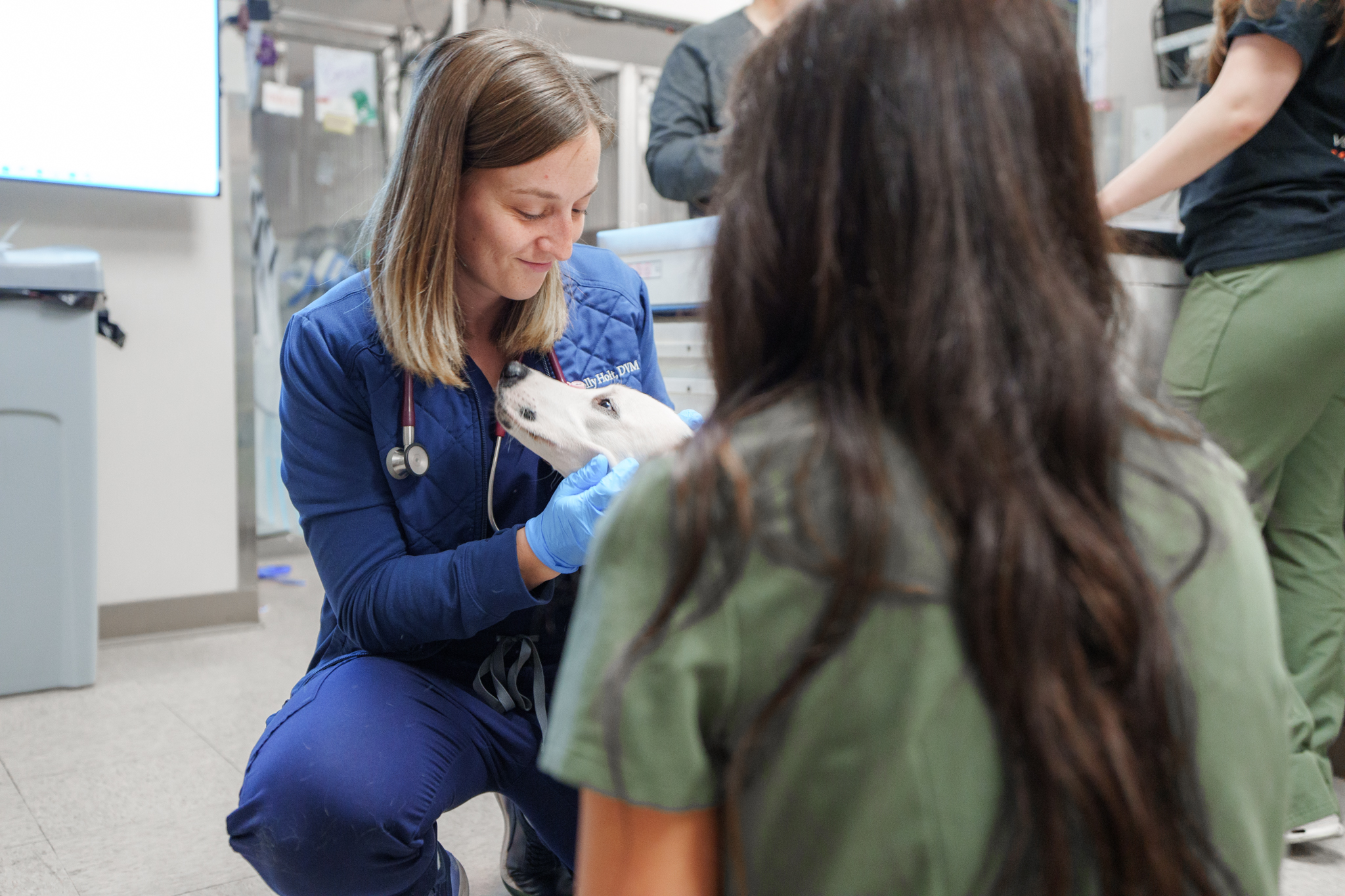
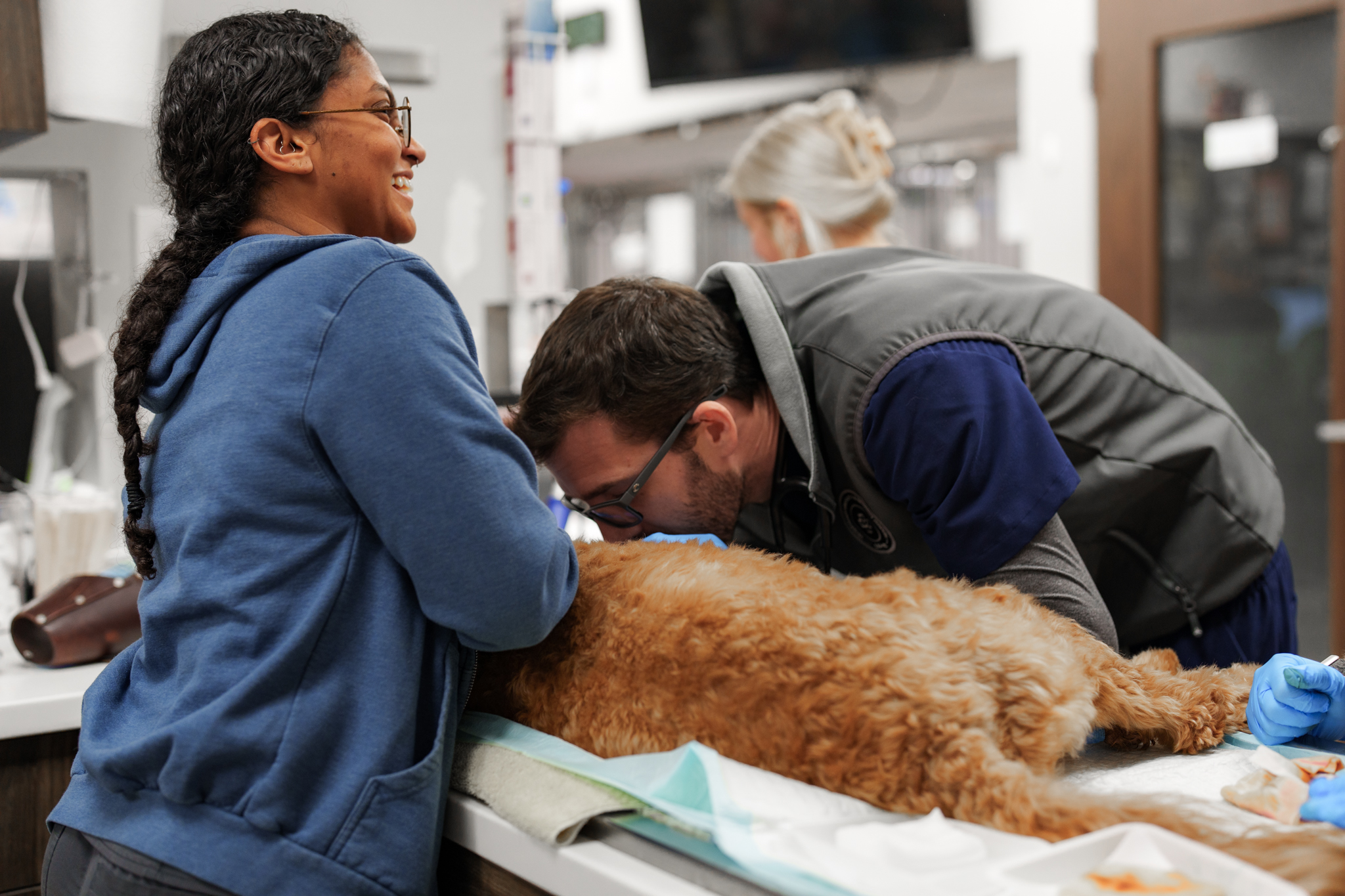
The same hospital can move from triage and imaging to surgery and critical-care monitoring without sending a fragile patient across town.
Helpful owner guides
Know the signs. Do not delay care.
These resources explain several conditions that can lead to emergency surgery. They do not replace an exam.
Emergency surgery FAQ
Clear answers in a stressful moment
If your pet is worsening, skip the FAQ and call the nearest open COVE hospital.
Do I need an appointment or referral for emergency surgery?
No appointment or referral is needed for emergency evaluation. The ER team will triage and stabilize your pet, perform the necessary diagnostics, and determine whether surgery is the safest next step.
How will I know whether my pet actually needs surgery?
Most owners cannot know at home. The decision is based on your pet's exam, stability, lab results, imaging, and response to initial treatment. Not every emergency evaluation leads to surgery.
Is emergency surgery available 24/7?
COVE's Delaware emergency hospital is open 24/7. Clintonville has extended emergency hours. Surgical timing and availability depend on the patient's condition, stabilization needs, and the team on duty, so call the hospital while you are heading in when possible.
What happens before my pet goes into surgery?
The team first treats immediate threats such as shock, bleeding, pain, or dehydration. Diagnostics then help confirm the problem and guide anesthesia and surgical planning. You will receive a recommendation and estimate before authorized treatment whenever your pet's condition allows.
Should I give my pet food, water, or medication on the way?
Call the emergency team for patient-specific instructions. Do not give food, human medications, or home remedies unless a veterinarian directs you to do so.
How much does emergency surgery cost?
Cost depends on the condition, diagnostics, stabilization, procedure, hospitalization, and recovery needs. Once the team understands the problem, they will explain the recommended plan and provide an estimate before authorized care whenever time and the patient's condition permit.
Are financing options available for emergency surgery?
Yes. COVE accepts cash and all major credit cards and works with CareCredit, Scratch Pay, and All Pet Card. Eligibility and terms are set by each provider. Review COVE's financing options for details and application links.
Act on the warning signs
Your pet does not need a diagnosis before coming in.
If your pet is collapsed, repeatedly vomiting, unable to urinate, struggling in labor, or may have swallowed an object, call the nearest open COVE hospital now.