Veterinary internal medicine is specialty care for dogs and cats with complex, persistent, or difficult-to-diagnose illnesses affecting their internal organs and body systems. An internist brings advanced training in diagnosis and medical management, especially when symptoms keep returning, several problems may be connected, or routine treatment has not produced the expected improvement.
At COVE Pet Care, board-certified internal medicine specialists serve pets from Columbus, Delaware, and throughout Central Ohio. They work with pet owners, family veterinarians, and COVE’s other specialty and emergency teams to turn a complicated medical history into a focused plan.
What does veterinary internal medicine include?
Small animal internal medicine focuses on diseases of the digestive, endocrine, urinary, kidney, liver, respiratory, immune, and blood-forming systems. It is a broad specialty because these systems influence one another. For example, increased thirst may be related to kidney function, a hormone disorder, diabetes, medication, or another condition. Recurrent vomiting can begin in the digestive tract, but it can also accompany kidney, liver, pancreatic, hormonal, or systemic disease.
That overlap is why an internist often looks beyond a single abnormal result. The goal is not to order every possible test. It is to combine the history, physical examination, previous records, and targeted diagnostics to narrow the possibilities and identify the most useful next step.
What does an internal medicine specialist do?
A board-certified veterinary internist has completed veterinary school followed by additional clinical training and specialty examinations. Internists are experienced in evaluating unusual presentations, interpreting complex test results, performing advanced procedures, and managing chronic diseases that may change over time.
An internist may confirm a suspected diagnosis, investigate an unresolved problem, recommend a different diagnostic path, or help manage a known condition. Their role can include:
- Reviewing prior laboratory work, imaging, medications, diets, and treatment response
- Developing a prioritized list of possible causes
- Recommending the tests most likely to change the care plan
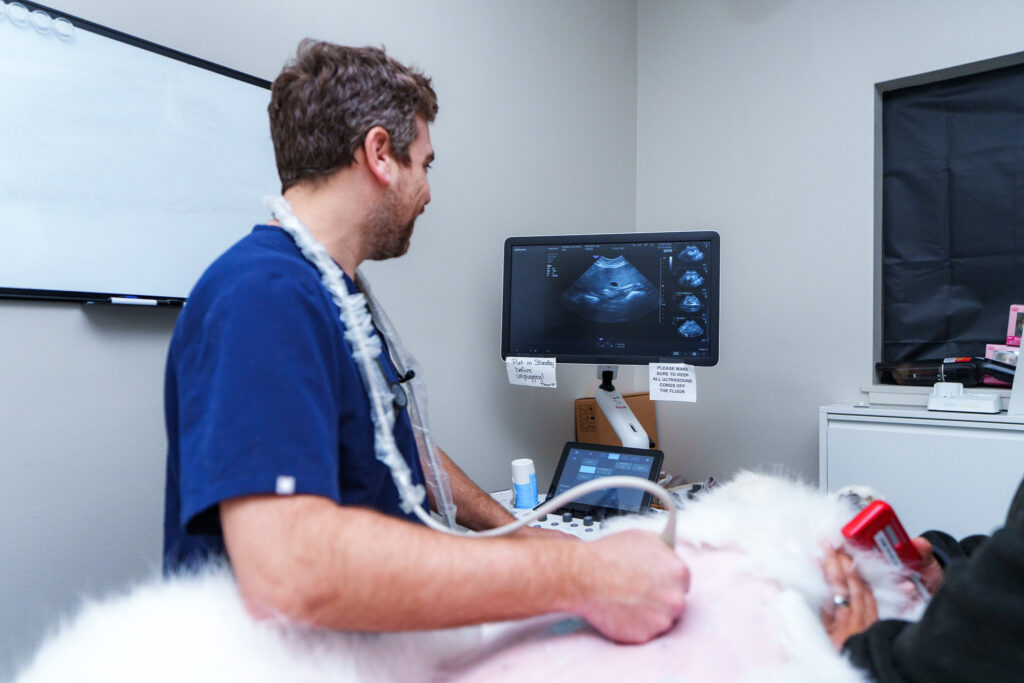
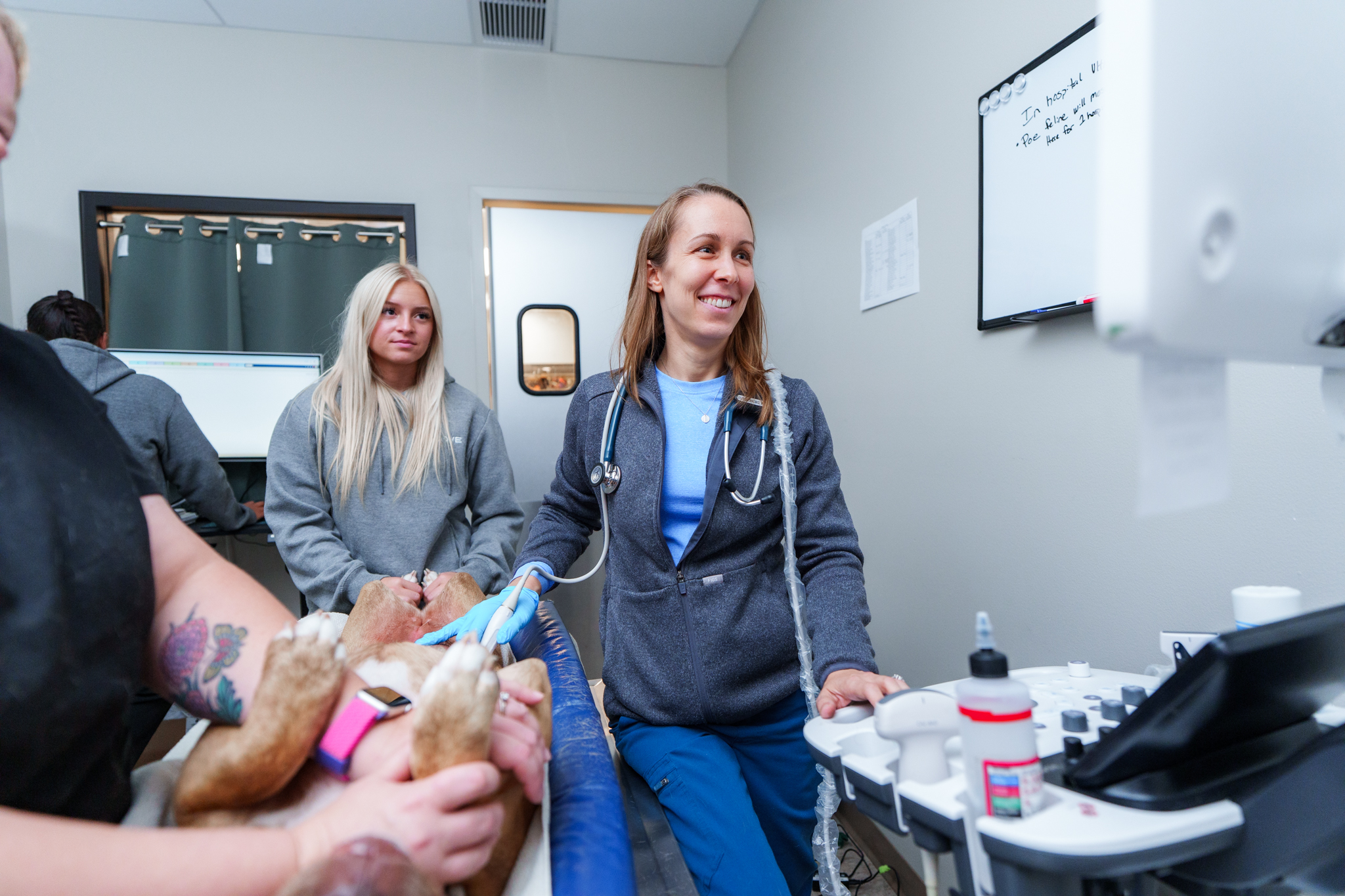
- Performing procedures such as ultrasound, endoscopy, or ultrasound-guided sampling
- Explaining treatment choices, monitoring needs, and realistic goals
- Coordinating ongoing care with the family veterinarian
When might your pet need a specialist?
Your family veterinarian may recommend an internal medicine consultation when a problem is persistent, recurrent, or medically complicated. Situations that may warrant referral include:
- Vomiting, diarrhea, poor appetite, or weight loss that continues or repeatedly returns
- Unexplained changes in drinking or urination
- Abnormal liver, kidney, blood cell, calcium, or electrolyte results
- Diabetes or another endocrine disease that is difficult to regulate
- Recurring urinary infections or suspected upper urinary tract disease
- Possible immune-mediated disease
- Fluid in the chest or abdomen, an unexplained fever, or signs involving multiple organs
- A mass, enlarged organ, or other abnormality found during imaging
- A need for endoscopy, advanced imaging, or minimally invasive tissue sampling
A referral does not mean the situation is hopeless or that every pet needs an invasive procedure. It means an additional level of training and diagnostic support may help answer the next question.
Conditions commonly managed by Internal Medicine
Internal medicine specialists manage many acute and chronic conditions. Common examples include chronic vomiting, diarrhea, and enteropathies; diabetes; Cushing’s disease and other endocrine disorders; immune-mediated diseases; recurring urinary problems; liver and gallbladder disease; respiratory disease; and kidney disease in dogs and cats.
Some pets arrive with a diagnosis that needs long-term management. Others arrive with a pattern of symptoms and abnormal tests but no single explanation. In either situation, the plan is individualized. Treatment may involve medication, nutrition, monitoring, management of related conditions, or collaboration with another specialist.
Advanced diagnostic testing
Testing is selected according to the pet’s symptoms, stability, previous results, and the questions that remain unanswered. An evaluation may begin with blood tests, urinalysis, blood pressure measurement, infectious disease testing, or review of radiographs. Advanced options at COVE may include:
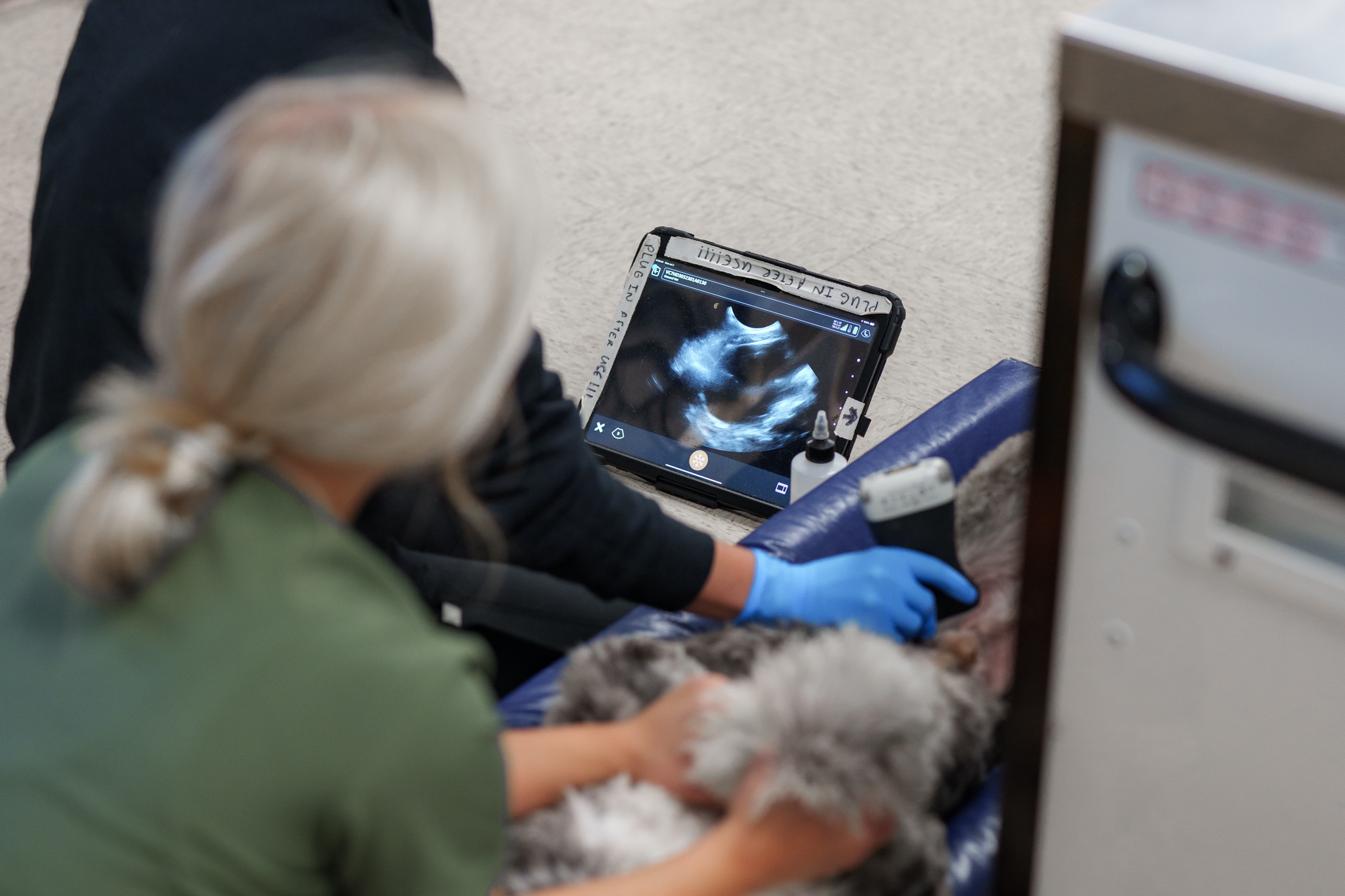
- Abdominal ultrasound: real-time imaging of soft-tissue organs such as the liver, gallbladder, kidneys, spleen, pancreas, bladder, and portions of the gastrointestinal tract
- Endoscopy and colonoscopy: use of a flexible camera to examine parts of the digestive tract and collect biopsies when indicated
- Ultrasound-guided aspirates or biopsies: targeted collection of cells or tissue from an organ or lesion
- Respiratory sampling: procedures such as an endotracheal wash to collect material from the airways
- Feeding tube placement and management: nutritional support for pets that cannot meet their needs by eating normally
No single test can identify every disease. Ultrasound for dogs and cats, for example, is excellent for examining many soft-tissue structures but is not a substitute for laboratory testing, radiographs, CT, endoscopy, or biopsy when those are needed. Your internist will explain what a recommended test can answer, what it cannot, and how the result could affect treatment.
What to expect during an internal medicine consultation
A consultation usually starts with a detailed review of your pet’s history. Bring a current medication and supplement list, information about diet and appetite, notes about when symptoms occur, and any records that have not already been sent. Videos, photographs, and a simple symptom timeline can be helpful when a problem is intermittent.
After the examination, the internist will discuss the leading possibilities and recommended next steps. Some testing may be completed the same day, while other procedures may need preparation or scheduling. Depending on the case, your pet may go home after the visit, remain for a procedure, or be admitted for monitoring and treatment. You should receive an explanation of findings, options, expected follow-up, and signs that would justify more urgent attention.
How COVE works with your family veterinarian
Specialty care is most effective when information moves in both directions. Your family veterinarian knows your pet’s long-term history and remains an important part of the care team. COVE reviews the records provided, communicates findings and recommendations, and coordinates which team will handle rechecks, prescriptions, and ongoing monitoring.
Some pets return to their primary veterinarian once a diagnosis and stable plan are established. Others continue periodic specialist follow-up while their family veterinarian provides routine and preventive care. Veterinarians can use COVE’s patient referral page to share records and request specialty evaluation.
Scheduled consultation or emergency care?
Internal medicine consultations are designed for pets who are stable enough for a scheduled specialty visit. They are appropriate for chronic symptoms, abnormal test results, complex disease management, and advanced diagnostic planning.
Do not wait for a scheduled appointment if your pet has trouble breathing, collapses, is unresponsive, has repeated seizures, cannot urinate, has a swollen painful abdomen, may have ingested a toxin, has uncontrolled bleeding, or is rapidly worsening. Go to an emergency hospital or call on the way. COVE’s Emergency Medicine and Critical Care service explains urgent warning signs and current locations.
Frequently asked questions
Do I need a referral to see a veterinary internist?
Referral and scheduling requirements can vary. Starting with your family veterinarian is often helpful because they can examine your pet, begin appropriate testing, and send records that allow the specialist to use the consultation efficiently. Contact COVE if you have questions about the best next step.
Will my pet need every advanced test?
No. Recommendations are based on your pet’s history, examination, previous results, and the decisions a test could inform. The internist should explain the purpose, limitations, alternatives, and priorities before proceeding.
Does seeing a specialist replace my regular veterinarian?
No. Internal medicine is a collaborative service. Your family veterinarian remains central to routine care and may provide much of the ongoing monitoring after the specialty plan is established.
Can chronic illness be cured?
Some conditions can be resolved, while others are managed rather than cured. The goals may include controlling symptoms, slowing progression, preventing complications, and protecting quality of life. Prognosis depends on the diagnosis and the individual patient.
Taking the next step
If your pet has persistent symptoms, difficult-to-interpret results, or a condition that needs advanced diagnostic or medical management, learn more about COVE’s Internal Medicine service. Pet owners can contact COVE to ask about a consultation, and referring veterinarians can send records through the referral page.
This article provides general educational information and is not a diagnosis or a substitute for an examination by a veterinarian. If your pet is experiencing severe, sudden, or rapidly worsening signs, seek urgent veterinary care.