Seeing a dog limp on a back leg naturally raises the question, “Does my dog need TPLO surgery?” The answer cannot be determined by symptoms, breed, or body weight alone. Tibial plateau leveling osteotomy (TPLO) is one option for treating a cranial cruciate ligament (CCL) injury, but candidacy depends on the diagnosis, knee stability, anatomy, overall health, activity needs, and recovery plan.
Pet owners often call a canine CCL injury an ACL tear. The structures are similar, but CCL is the veterinary term. An orthopedic evaluation is the only reliable way to confirm the condition and compare TPLO with other surgical or nonsurgical options.
What Problem Does TPLO Address?
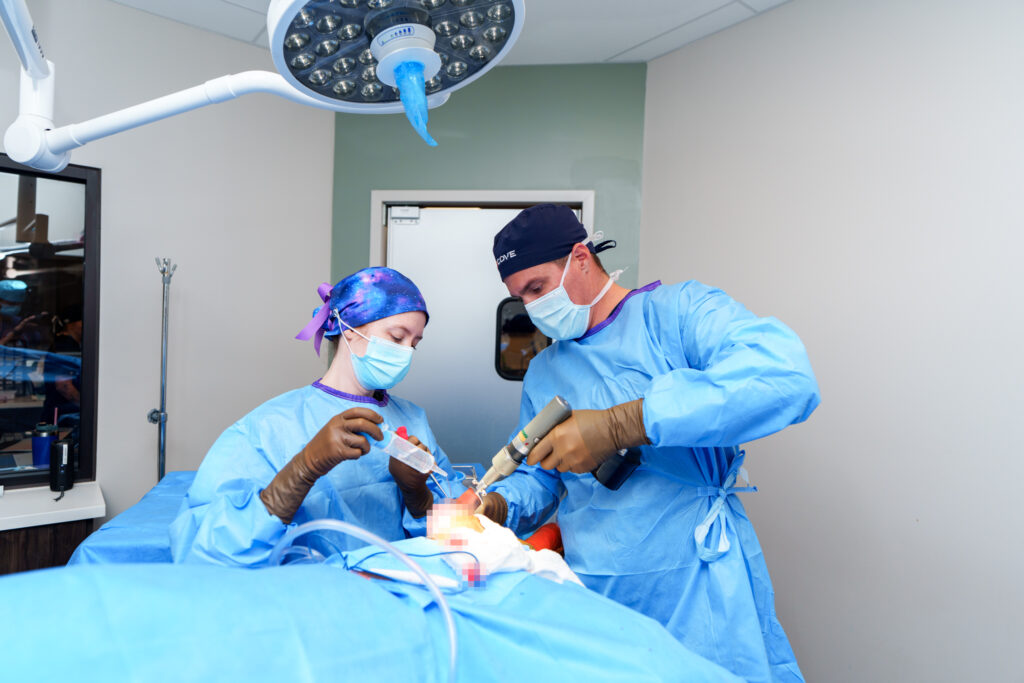
The CCL helps control forward movement and rotation in the canine knee. When it weakens or tears, the knee can become unstable and painful. TPLO changes the mechanics of the knee rather than replacing the ligament. The surgeon rotates the tibial plateau and secures the bone with a plate and screws while the osteotomy heals.
Read the complete TPLO surgery guide for a detailed explanation of diagnosis, procedure, risks, and recovery.
Signs That Should Prompt a CCL Evaluation
- Sudden or recurring back-leg limping
- Toe-touching or holding one leg up
- Difficulty rising, using stairs, or jumping
- Reluctance to run or play
- Stiffness after rest
- A limp that improves and then returns
- Swelling or thickening around the knee
These symptoms can also come from patellar luxation, arthritis, hip disease, muscle injury, fracture, or another condition. The guide to why dogs limp explains when an examination or emergency visit may be appropriate.
Factors That Influence TPLO Candidacy
A Confirmed or Strongly Suspected CCL Injury
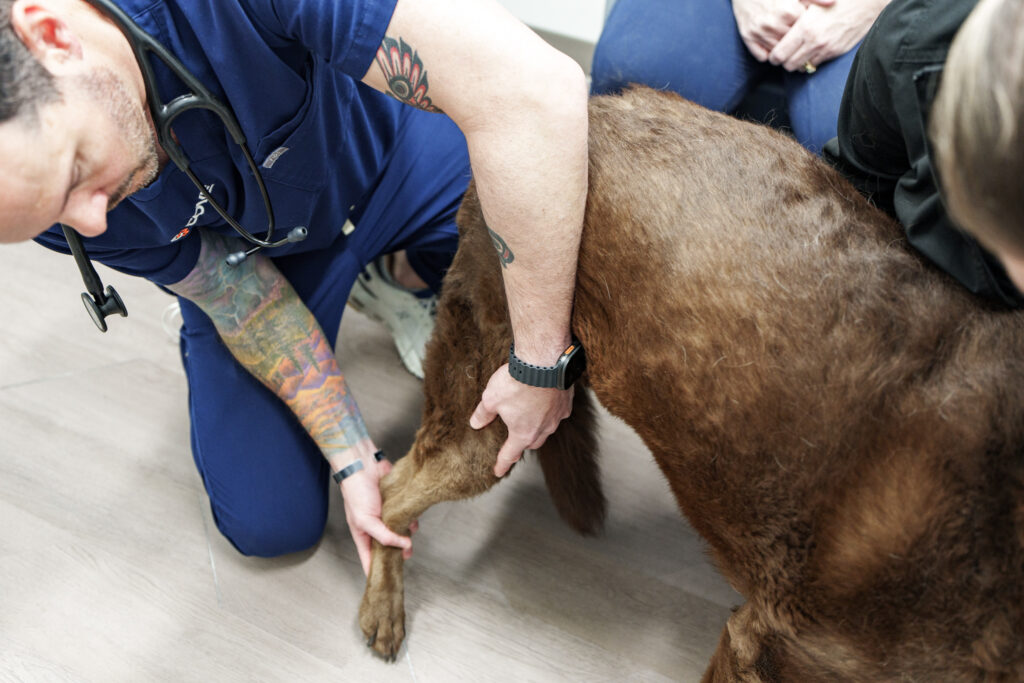
The first question is whether CCL disease is actually causing the limp. A veterinarian may identify cranial drawer or tibial thrust during an orthopedic examination. Joint swelling, muscle loss, pain, and gait changes provide additional context. Sedation may be helpful when a partial tear or muscle tension makes instability difficult to assess.
Degree of Knee Instability
A complete tear often creates clear instability, but partial tears can also cause pain and functional limits. The amount of instability, duration of signs, progression, meniscal concerns, and existing arthritis all influence the recommendation. A mild-looking limp does not always mean the injury is minor.
Size and Body Condition
TPLO is frequently discussed for medium and large dogs, but body weight is not a stand-alone rule. Some small dogs may be candidates, while some large dogs may be better served by another plan. Body condition matters because excess weight adds stress to painful joints and can make recovery more difficult. Weight management may be part of both surgical and nonsurgical care.
Age
Age alone does not decide candidacy. A healthy senior dog may tolerate surgery differently from a younger dog with significant heart, kidney, endocrine, neurologic, or orthopedic disease. The team considers biological health, expected quality of life, anesthesia risk, and the goals of treatment rather than using a single age cutoff.
Activity and Lifestyle
A highly active dog, a working dog, and a quiet companion may place different demands on the knee. The goal is not to label one lifestyle as more deserving of surgery. Activity helps the surgeon understand the forces the joint will experience and what level of function the owner hopes to regain.
Knee and Limb Anatomy
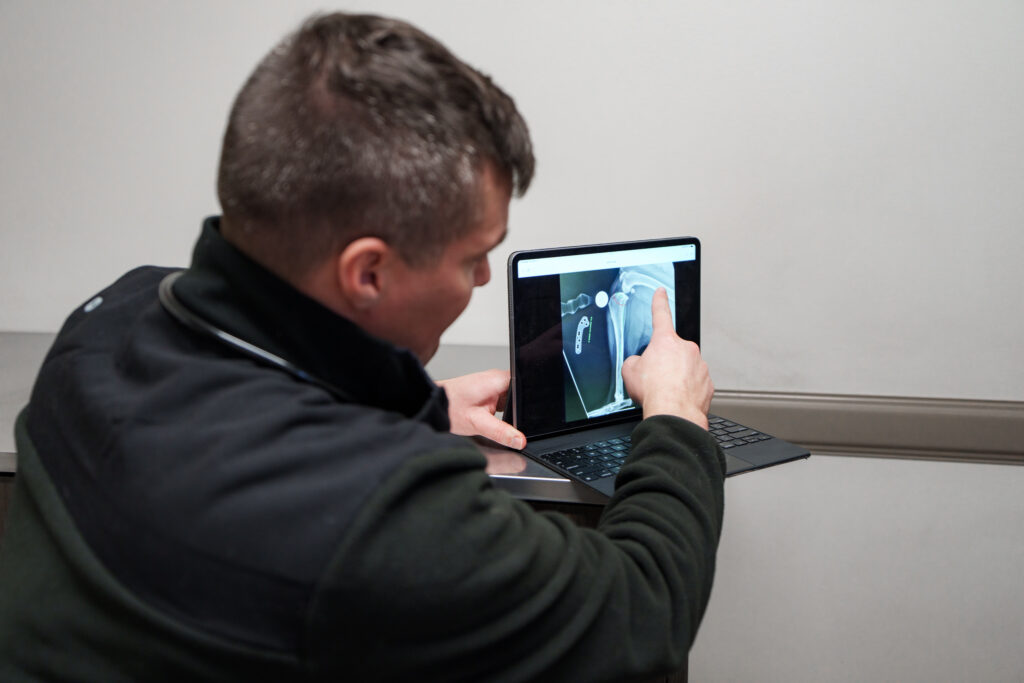
Radiographs help the surgeon assess the tibial plateau, joint changes, bone quality, and alignment. Some dogs have unusual tibial or femoral anatomy, patellar luxation, or other conditions that make planning more complex. Additional imaging may be recommended in selected cases.
Partial Versus Complete Tear
A partial CCL tear may produce intermittent signs and subtler instability. Some partial injuries progress, but timing varies. The decision to operate is based on the whole patient, not merely the word “partial.” The orthopedic team may discuss monitoring, rehabilitation, or surgery depending on pain, instability, activity, and progression.
Arthritis and Meniscal Injury
CCL disease contributes to arthritis, and arthritis can continue to progress after treatment. TPLO is intended to address instability; it does not remove existing arthritis. Suspected meniscal damage may also influence timing and surgical planning because a torn meniscus can contribute to pain or recurrent lameness.
Overall Health and Anesthesia Planning
A physical examination, medical history, and preoperative testing help identify conditions that may affect anesthesia, pain control, healing, or medication choices. Some health problems can be managed with a modified plan. Others may make delaying surgery, choosing a different treatment, or seeking additional medical evaluation more appropriate.
The Home Recovery Plan
TPLO requires weeks of controlled activity while bone heals. Owners need a safe confinement area, nonslip flooring, controlled leash access for bathroom breaks, and a realistic plan to prevent running, jumping, stairs, and rough play. Assistance may be needed for large dogs or homes with unavoidable steps.
Alternatives to TPLO
Tibial Tuberosity Advancement
Tibial tuberosity advancement (TTA) changes knee mechanics through a different osteotomy and implant configuration. Anatomy, surgeon assessment, and patient factors influence whether TTA is considered.
Lateral Suture or Extracapsular Stabilization
This approach places strong suture material outside the joint to provide temporary stabilization while the body develops supportive scar tissue. It may be considered for selected patients, but size, activity, conformation, and anticipated forces matter.
Nonsurgical Management
Nonsurgical care may include weight management, controlled activity, rehabilitation, and veterinarian-prescribed medication. It does not restore a torn ligament, and the unstable knee may continue to develop pain and arthritis. It may still be a reasonable plan for selected dogs based on symptoms, health, size, goals, and surgical risk.
No technique is universally superior for every dog. The best discussion compares realistic benefits, limitations, recovery requirements, and risks for the individual patient.
Questions Owners Should Bring to the Consultation
- What findings confirm or support CCL disease?
- Is the injury partial or complete, and is the knee unstable?
- Is meniscal injury or patellar luxation suspected?
- Why is TPLO being recommended for this dog?
- Which alternatives are reasonable?
- What testing and imaging are needed?
- What does the recovery plan require at home?
- What rechecks and follow-up radiographs are anticipated?
- What risks or medical conditions affect the plan?
Requesting a TPLO Consultation at COVE
COVE Pet Care evaluates CCL injuries and other orthopedic problems for families in Central Ohio, including Columbus, Clintonville, and Delaware. The orthopedic process focuses on diagnosing the source of pain, explaining the available paths, and helping owners make an informed decision.
Explore orthopedic surgery at COVE Pet Care or request a consultation. Online information can help you prepare, but it cannot determine whether your individual dog needs TPLO surgery.