A limp is a sign that a dog is protecting a painful, weak, or unstable limb. The cause may be as simple as a torn nail or as significant as a fracture, joint injury, or cranial cruciate ligament (CCL) tear. Where the limp is coming from, how quickly it started, and whether the dog can bear weight help determine how urgently an examination is needed.
This guide can help you recognize common patterns and warning signs. It cannot diagnose the cause at home, and it should not replace an examination when pain is severe, the leg looks abnormal, trauma occurred, or the limp is not improving.
Front-Leg Versus Back-Leg Limping
Front-leg limping may originate in the paw, wrist, elbow, shoulder, muscles, tendons, nerves, or bones. Dogs place substantial weight on their front limbs, so even a small injury can create an obvious gait change.
Back-leg limping can involve the paw, hock, knee, hip, muscles, nerves, or bones. Knee problems such as CCL disease and patellar luxation are common considerations, but hip disease, fractures, strains, and arthritis can look similar from a distance.
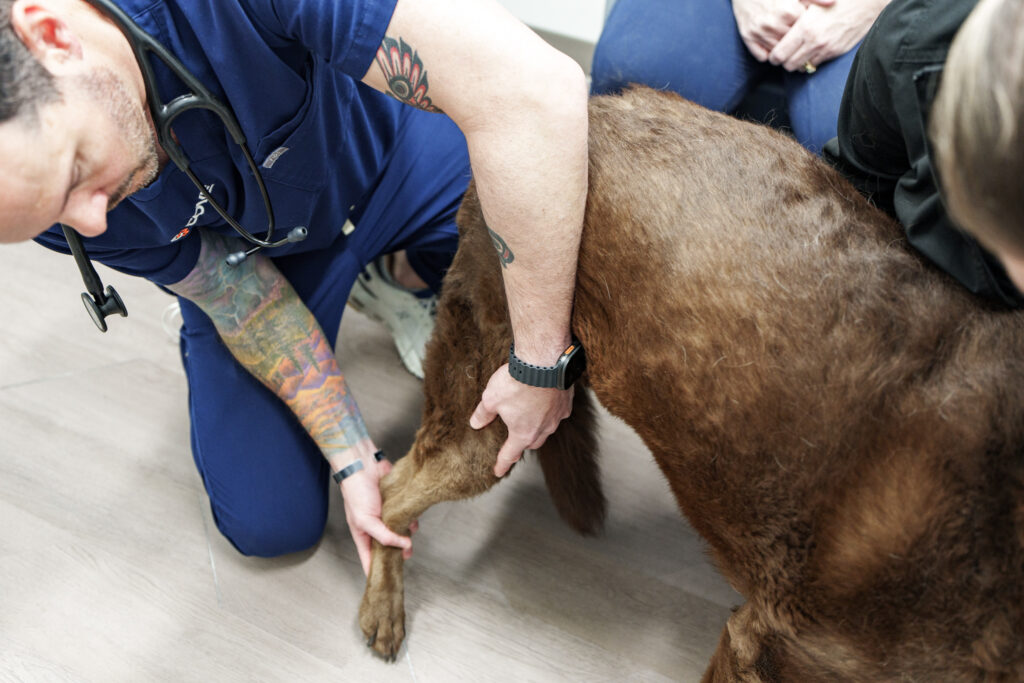
Dogs sometimes shift weight in ways that make the wrong leg appear to be the problem. A veterinarian will watch the dog walk and examine the entire limb rather than relying only on the owner’s best guess about the location.
Sudden Versus Gradual Limping
A sudden limp may follow a fall, collision, awkward landing, torn nail, paw injury, muscle strain, ligament injury, fracture, or joint dislocation. Some dogs with degenerative CCL disease also seem to become lame suddenly even though the ligament had been weakening over time.
Gradual limping may be associated with arthritis, developmental joint disease, chronic tendon or ligament problems, progressive CCL disease, or another condition that worsens over time. A limp that improves with rest and returns with activity still deserves attention, particularly when it keeps recurring.
Common Causes of Limping in Dogs
Paw and Nail Problems
Look for a torn nail, cut pad, swelling between the toes, a visible foreign object, or irritation from heat, ice, or rough ground. Do not dig deeply into the paw, pull on an embedded object, or force a painful dog to tolerate handling. Pain can cause even a gentle pet to bite.
Muscle, Tendon, and Soft-Tissue Injuries
Strains and sprains can happen during running, jumping, slipping, or rough play. Mild soft-tissue injuries may improve with controlled rest, but persistent pain, swelling, or recurrent lameness can indicate a more significant injury that needs an examination.
Bone and Joint Problems
Fractures, joint dislocations, growth-related disorders, and other bone or joint injuries can cause marked pain and loss of function. A leg that looks bent, shortened, rotated, or swollen after trauma should be treated as urgent. Avoid trying to straighten or splint it without veterinary direction.
Arthritis and Developmental Joint Disease
Arthritis often causes stiffness after rest, difficulty rising, reluctance to use stairs, reduced endurance, or a limp that becomes more noticeable after activity. Hip dysplasia, elbow dysplasia, osteochondrosis, and other developmental problems can lead to pain and arthritis in younger or older dogs.
CCL Injury Warning Signs
The cranial cruciate ligament stabilizes the canine knee. Pet owners often call this structure the ACL, but CCL is the correct veterinary term. Canine CCL disease frequently develops through gradual ligament degeneration rather than a single traumatic event.
Possible signs include:
- Sudden or intermittent back-leg limping
- Toe-touching or holding the leg up
- Difficulty rising, using stairs, or jumping
- Reluctance to run or play
- Stiffness after rest
- Sitting with one back leg positioned away from the body
- A limp that improves and later returns
A hands-on orthopedic examination is needed to distinguish a CCL injury from other causes. Read the full guide to CCL disease and TPLO surgery for dogs for an explanation of diagnosis, treatment options, and recovery.
Patellar Luxation
Patellar luxation occurs when the kneecap moves out of its normal groove. A dog may skip for several steps, briefly carry the leg, extend or shake it, and then walk normally again. More advanced cases can cause frequent or continuous lameness, pain, arthritis, and limb-alignment changes.
Not every luxating patella requires surgery. The grade, symptoms, progression, anatomy, age, and presence of other knee problems all influence treatment. Dogs can also have patellar luxation and CCL disease in the same knee, which may require more complex planning.
Fractures and Trauma
Falls, vehicle accidents, bites, and other trauma can cause fractures or joint injuries. Some injuries are obvious, while others only produce swelling, pain, or refusal to bear weight. Trauma can also affect the chest, abdomen, head, or spine even when the limp is the most visible sign.
After significant trauma, keep movement to a minimum and seek veterinary guidance promptly. If your dog has difficulty breathing, collapse, uncontrolled bleeding, severe pain, an open wound over a suspected fracture, or an obvious deformity, go to emergency veterinary care.
When Limping Is an Emergency
Seek prompt care when a dog:
- Cannot stand or bear weight
- Has an obviously deformed, dangling, or severely swollen limb
- Has an open wound or bone visible near the injury
- Was struck by a vehicle, fell from height, or experienced major trauma
- Is crying, panting, trembling, or unable to settle because of pain
- Is dragging a limb or showing sudden weakness or loss of coordination
- Has pale gums, breathing difficulty, collapse, or uncontrolled bleeding
- Has rapidly worsening lameness or illness affecting the whole body
When transporting a painful dog, keep handling calm and minimal. Support the body as needed, avoid manipulating the injured limb, and use a secure carrier or flat surface when practical.
When Brief Monitoring May Be Reasonable
Brief monitoring may be reasonable when the limp is mild, there was no significant trauma, the dog can bear weight, no swelling or deformity is visible, and the dog is otherwise comfortable and acting normally. Reduce activity, prevent running and jumping, and watch closely for change.
Arrange an examination if the limp persists, returns, worsens, or is accompanied by swelling, pain, appetite changes, lethargy, or difficulty with normal activities. Puppies, senior dogs, dogs with known orthopedic disease, and pets with other health conditions may need evaluation sooner.
What Not to Give at Home
Do not give ibuprofen, naproxen, acetaminophen, aspirin, another pet’s medication, or leftover prescriptions unless a veterinarian specifically directs you to do so for this dog. Human pain relievers can be dangerous to pets, and even veterinary medications may be unsafe with certain health conditions or drug combinations.
Do not massage, stretch, repeatedly test, or force movement in a painful limb. Avoid homemade splints and tight bandages unless a veterinary professional has provided specific instructions.
How Veterinarians Evaluate a Limp
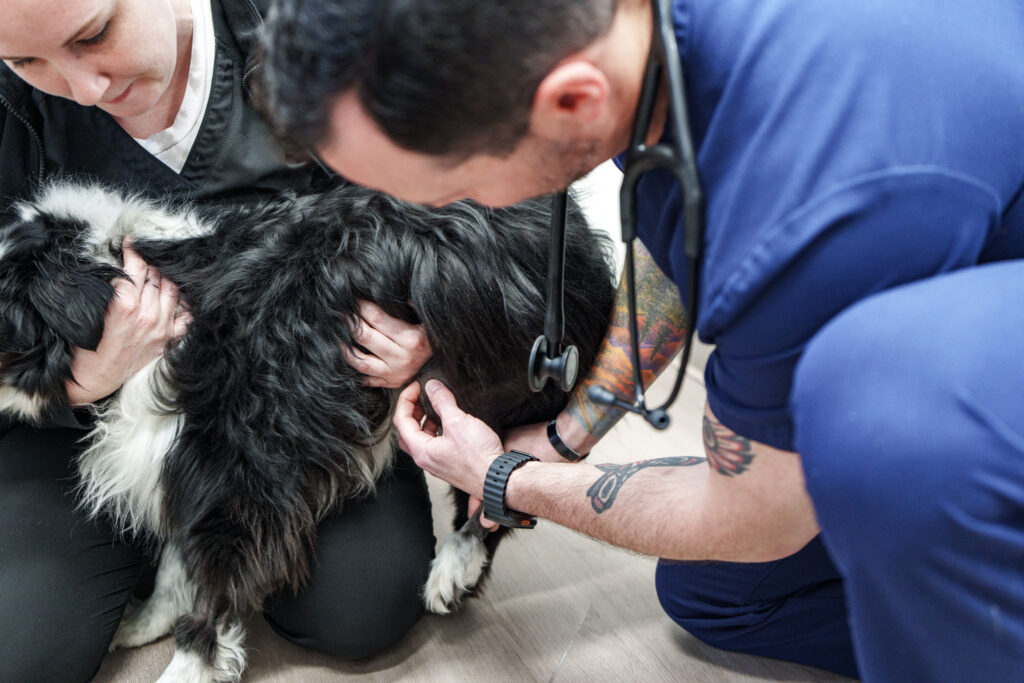
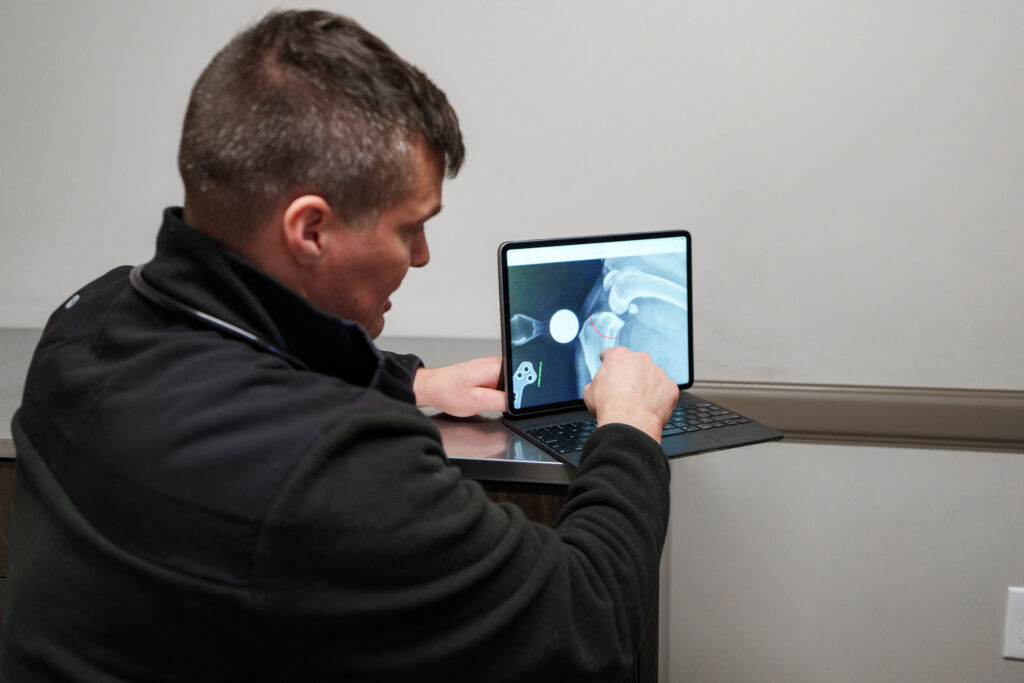
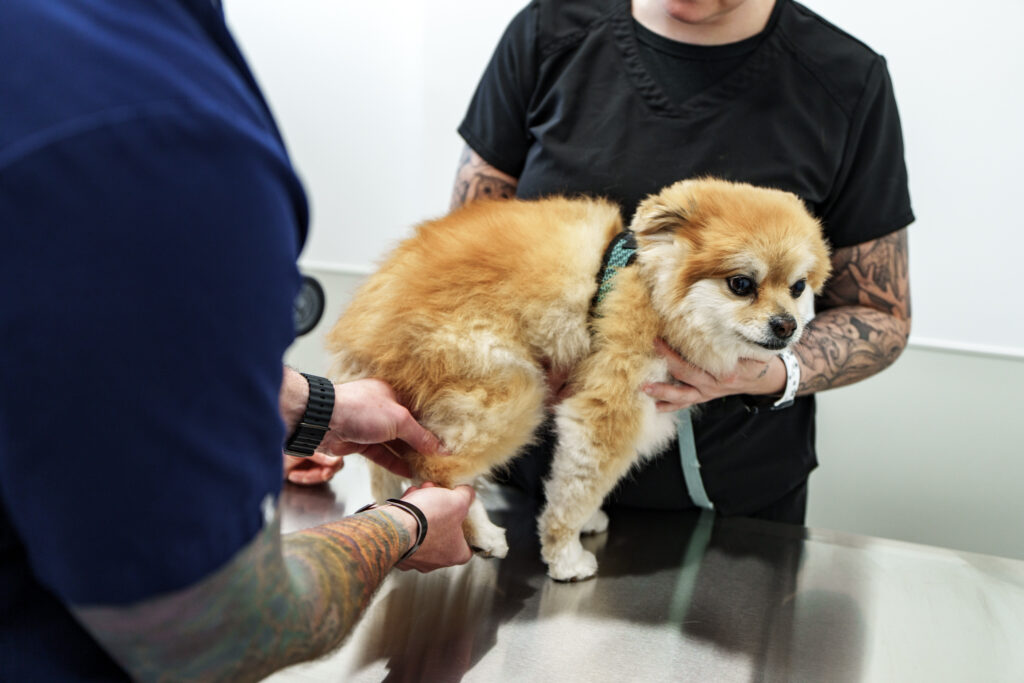
The examination usually begins with questions about when the limp started, whether it is constant or intermittent, any known trauma, recent activity, medications, and previous orthopedic problems. The veterinarian may observe walking or trotting, palpate the paws and limbs, assess joints and range of motion, evaluate the spine and neurologic function, and compare both sides.
Diagnostic Imaging
Radiographs are commonly used to evaluate bones, joint alignment, arthritis, swelling, and some signs that support a ligament injury. Sedation may be needed for precise positioning or a less stressful examination. Ultrasound, CT, MRI, arthroscopy, or other tests may be recommended in selected cases. Learn more about veterinary diagnostic imaging at COVE.
When to Request an Orthopedic Consultation
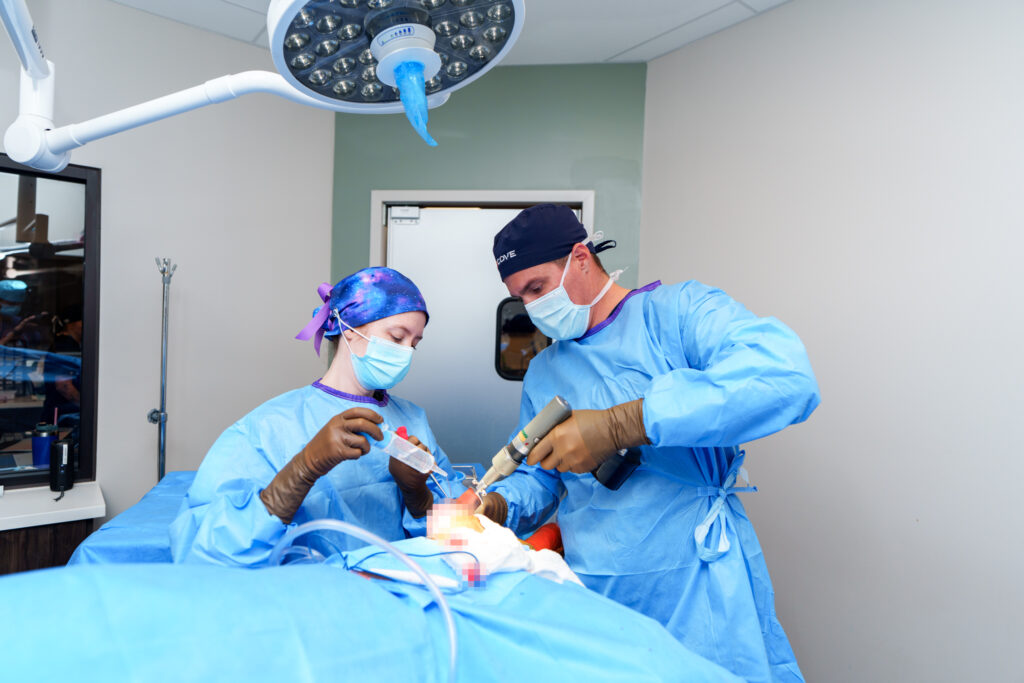
An orthopedic consultation is appropriate when a limp is persistent or recurrent, a CCL tear or luxating patella is suspected, a fracture may need repair, or initial care has not restored comfortable function. Existing examination notes and radiographs can be helpful, so ask your primary veterinarian how records and images can be shared.
COVE Pet Care evaluates orthopedic conditions for dogs and cats in Central Ohio, including Columbus, Clintonville, and Delaware. Explore orthopedic surgery and consultation options at COVE, or contact the COVE team to discuss next steps. If severe pain, trauma, inability to bear weight, or another emergency sign is present, seek emergency care rather than waiting for a routine consultation.