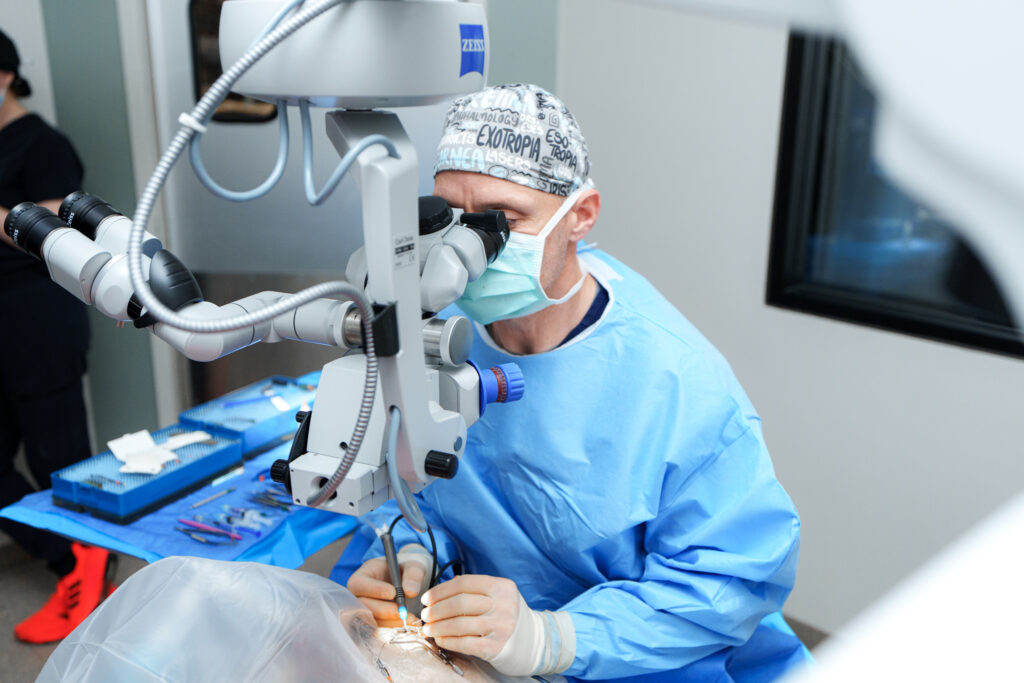
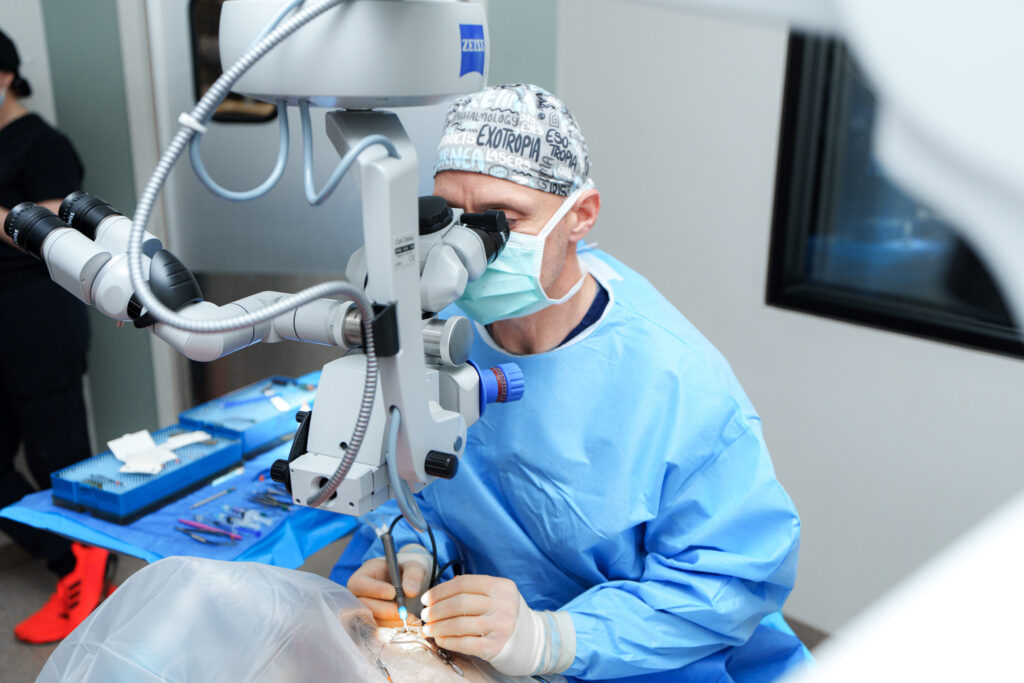
Your primary vet may refer your pet to a veterinary ophthalmologist. Common reasons include eye pain, cloudiness, vision loss, or a problem that is not getting better. This doctor has advanced training in eye disease, medicine, and surgery. The goal is to protect your pet’s comfort and sight.
This guide explains what veterinary eye specialists do. It also covers referrals and what to expect at a visit. Online information cannot diagnose an eye problem. Some eye problems get worse within hours. Call a vet right away if your pet is suddenly blind, has a major eye injury, holds an eye closed, or seems to be in severe pain.
The short answer
An eye specialist helps when a pet has a hard-to-treat or serious eye problem. The visit may include simple tests for tears, eye pressure, pain, and sight. Many pets go home with medicine. Some need surgery or more tests. Your primary vet and the eye team can work together. You do not need to know the cause before you call. Share the signs you see and how fast they began.
Who should you call first?
Start with a vet you trust. Tell the team what you see and when it began. Say if your pet can still see, eat, sleep, and move with ease. Ask where your pet should be seen and how soon. A mild, slow change may start with your primary vet. A fast or painful change may need an eye specialist or emergency clinic. If you are not sure, call. You do not need to choose the type of doctor on your own.
Keep your pet from rubbing the eye while you wait. Bring all drops and pills to the visit. Do not use old drops or a human eye product. These steps help the team give safe care.
What is a veterinary ophthalmologist?
A veterinary ophthalmologist is a board-certified animal eye doctor. This specialist diagnoses and treats eye and vision problems. In the United States, these doctors may use the letters DACVO after their names. The American College of Veterinary Ophthalmologists explains this credential and what the specialist title means.
This field involves much more than eye drops. It covers the eyelids, tears, cornea, lens, iris, retina, optic nerve, and tissues around the eye. Eye specialists may treat dogs, cats, horses, farm animals, wildlife, and service animals. The species treated depend on the practice.
What training does a board-certified veterinary ophthalmologist complete?
Training begins with a vet degree. The doctor then completes an internship and several years of eye training. This work includes care with a mentor, tests, eye drugs, very small surgery, research, and study. The doctor must also meet strict rules and pass board exams.
This extra training matters because eye structures are small and closely linked. Some are also clear, which makes them hard to examine. Careful testing and microsurgery may be vital when disease threatens the cornea, retina, or sight.
Why might a primary vet refer a pet?
Primary vets treat many common eye problems. They may suggest a referral when a problem is severe, unusual, or keeps coming back. Referral can also help when treatment is not working. An eye specialist can offer advanced tests or surgery when needed. Fast referral may matter when sight is at risk.
Common reasons for specialist exam include:
- A corneal ulcer that is deep, infected, recurrent, or slow to heal
- Cataracts that interfere with vision or cause inflammation
- Known or suspected glaucoma
- Sudden or progressive vision loss
- Retinal disease or retinal detachment
- Persistent uveitis or other inflammation inside the eye
- Eyelid abnormalities, abnormal lashes, or eyelid masses
- Eye trauma, lens displacement, or a protruding eye
- A need for cataract, corneal, glaucoma, eyelid, orbital, or reconstructive surgery
Families may also contact a specialty hospital directly. The best way to schedule depends on the hospital and the eye problem. Existing records and test results can also affect the next step. COVE welcomes help from your primary vet so the eye team can review your pet’s history.
Symptoms that warrant an eye-specialist exam
Pets cannot describe blurred vision or eye pain, so changes in appearance and behavior are important. Contact a vet if you notice:
- Redness, swelling, or a very visible third eyelid
- Squinting, frequent blinking, rubbing, or holding an eye closed
- Excess tearing or yellow, green, bloody, or thick discharge
- A blue, white, gray, or newly pigmented area in or on the eye
- Pupils that are unequal, unusually shaped, or poorly responsive to light
- Bumping into objects, hesitating on stairs, or difficulty in dim light
- A bulging, enlarged, sunken, displaced, or injured eye
- An eyelid mass or eyelashes rubbing the eye
Redness and cloudiness are signs, not a diagnosis. They can come from dry eye, a corneal ulcer, glaucoma, uveitis, cataracts, or simple surface irritation. The guide to red, squinting, or discharging eyes explains why similar signs need different care. Never use human eye drops or old medicine unless a vet tells you to.
Common diseases treated by veterinary ophthalmologists
Eye specialists treat both common and complex disease. Cataracts make the clear lens cloudy and may reduce sight. Corneal ulcers are wounds on the clear front of the eye. They can become deep or infected. Glaucoma causes harmful pressure inside the eye and can lead to fast, lasting vision loss. Dry eye reduces the amount or quality of tears. Over time, it can harm the cornea.
Other problems include uveitis, retinal disease, a loose lens, abnormal eyelids or lashes, tumors, blocked tear ducts, and eye injuries. An eye change may also point to illness elsewhere in the body. Examples include diabetes, high blood pressure, infection, immune disease, and cancer.
What test tests might be used?
A specialty eye exam starts with your pet’s history. The doctor then checks both eyes. The team may test vision, pupils, eyelids, tears, the cornea, the retina, and pressure inside the eye. Learn what happens during veterinary eye tests and diagnostics.
Common tests measure tears, stain the cornea, and check eye pressure. A bright light and special lenses give a close view. Some pets need an ultrasound when haze blocks the eye. An electroretinogram, or ERG, checks how the retina responds to light. Other tests may view the eye’s drain or take photos. The Ohio State animal eye-care guide describes many of these tests.
Medical treatment versus eye surgery
Some problems improve with eye drops, ointments, pills, a protective collar, and close follow-up. Other problems need a procedure or surgery. Surgery may remove abnormal tissue, protect the cornea, improve eye drainage, or correct an eyelid. It may also relieve pain in a blind eye.
Surgery is not the best choice for every pet. The eye specialist considers the cause, remaining sight, other eye, overall health, and anesthesia risk. Home care and family goals also matter. If surgery is advised, the team will explain the likely benefits and risks. They will also review medicine, follow-up visits, and realistic goals. No result can be promised.
For some dogs, cataract surgery may bring back useful sight. A cloudy lens alone does not show that surgery is safe. Read more about cataracts in dogs, surgery checks, and recovery.
What happens during a veterinary ophthalmology appointment?
Bring a current medicine list and any useful records. Ask whether to give scheduled eye medicine before the visit. A technician may take a history and begin simple tests. The eye specialist then completes the exam. Drops may be used to widen the pupils. These drops help the doctor see the lens, retina, and optic nerve. They may cause short-term light sensitivity.
After the exam, the doctor will explain the cause or likely causes. You will review more tests and care choices. Some pets go home with medicine and a follow-up plan. Others need urgent care, surgery, or help from another vet team.
When is an eye problem an emergency?
Get help right away for sudden blindness, acute glaucoma, a deep ulcer, or a major eye injury. The same is true for a cut eyelid, chemical exposure, heavy bleeding, or severe pain. An eye that is pushed out of place is also an emergency. Review COVE’s pet eye emergency warning signs to understand when fast care matters.
Do not use human redness drops, old steroid drops, or home cures. Use a cone if it can be placed with no harm. Then call a vet team. A chemical may need to be flushed from the eye. Call a vet or animal poison service for steps that fit the product.
COVE’s ophthalmology team and Central Ohio locations
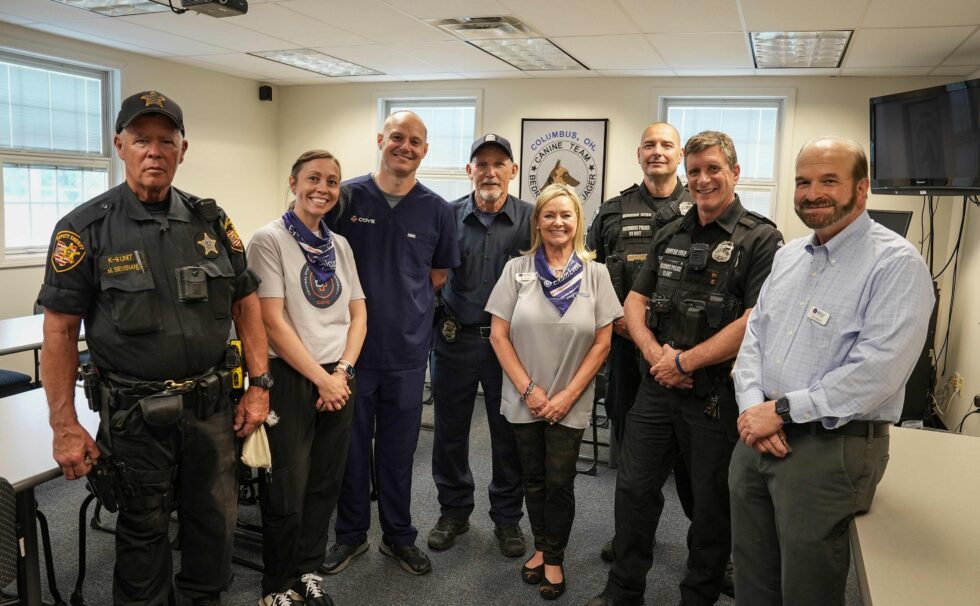
Eric Miller, DVM, MS, DACVO, leads COVE’s eye service. He is a board-certified animal eye doctor. Dr. Miller works with vet tech Chrissy and client service lead Nannette. Together, they guide families through exams, tests, care, surgery, and follow-up.
COVE offers eye care at its Clintonville Hospital in Columbus and its Delaware Hospital. Visit times can vary. Call to find the right site and time for your pet. See the team, services, sites, and contact details on COVE’s Veterinary Ophthalmology and Eye Surgery page.
A clear next step for your pet’s eyes
Ask about an eye specialist if the problem is painful, changing fast, harming sight, or not getting better. An online article cannot replace an exam. Early care can protect comfort and may help save sight. Contact COVE’s eye team to discuss records, scheduling, and the safest next step.