
Ophthalmology
Symptoms & timing
Start with what you can see
You do not need to know the diagnosis. Match what you are noticing to the options below.
Call right away for sudden or painful changes
Sudden blindness, significant trauma, bleeding, a bulging eye, severe squinting or rapidly increasing cloudiness should not wait.
Redness or squinting
Rubbing, discharge or holding an eye closed can signal pain or inflammation.
Cloudiness or color change
A hazy lens, blue-white cornea or new pigment may need a closer look.
Vision changes
Bumping into objects, hesitating on stairs or difficulty in dim light can point to vision loss.
Eye injury or ulcer
Scratches, trauma and non-healing corneal ulcers benefit from prompt evaluation.
Pupil size or shape changes
One pupil appearing larger, staying dilated or becoming unusually shaped can signal an eye or vision problem.
Eyelid or tear problems
Abnormal lashes, eyelid position, masses and dry eye can affect comfort and corneal health.
Ongoing or diagnosed problem? Schedule ophthalmology for cataracts, glaucoma, retinal disease, recurring inflammation, chronic ulcers, eyelid concerns or surgical planning. COVE can coordinate records with your primary veterinarian.
Call (740) 481-2683 →Eye exam & testing
What your visit may include
Dr. Miller examines the full eye with specialty magnification and lighting, then adds only the tests needed to reach a clear diagnosis.
Surface health, tears & infection
Fluorescein dye identifies ulceration and checks tear-film health and tear-duct patency. Schirmer testing measures tear production.
Cell evaluation and microbial testing help identify inflammation, bacteria or fungi and guide medication selection.
Eye pressure & retinal function
Eye-pressure measurement supports glaucoma and uveitis care. Gonioscopy evaluates the drainage angle and glaucoma risk.
An ERG checks retinal function before cataract surgery and helps diagnose SARDS and progressive retinal atrophy.
Imaging & systemic testing
Specialized ultrasound evaluates the eye and nearby tissues when cataracts or other opacities prevent a clear view.
Systemic testing can reveal high blood pressure or infectious disease affecting the eyes and retina.
Medical & surgical care
Find care by treatment goal
COVE combines medication, specialty equipment and ophthalmic surgery to protect vision, relieve pain and restore comfort.
Restore or protect vision
- Cataract surgery with lens replacement
- Glaucoma treatment and surgery
- Lens luxation
- Retinal laser procedures
Protect the cornea & comfort
- Corneal ulcers and graft procedures
- Dry eye disease and uveitis
- Abnormal eyelash treatment
- Corneal sequestrum and pigmentary keratitis
- Severe corneal edema
Eyelids & complex surgery
- Cherry eye repair and entropion correction
- Eyelid mass removal and reconstruction
- Iris cysts and pigmented lesions
- Proptosis
- Eye removal and prosthesis options
Meet the ophthalmology team
Specialty expertise with a familiar team beside you
From the first phone call through diagnostics, treatment and follow-up, COVE’s ophthalmology team helps families understand what comes next.
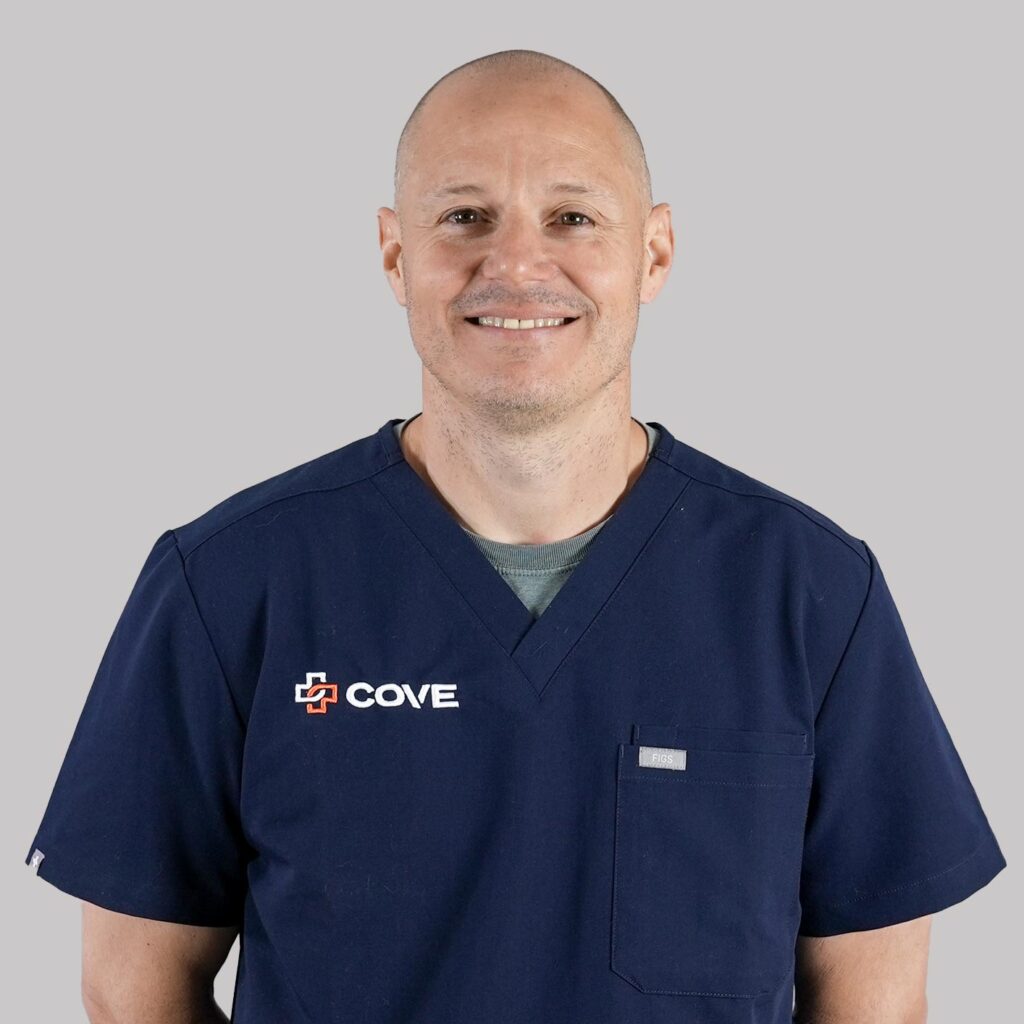
Board-certified specialist
Eric Miller, DVM, MS, DACVO
Owner · Veterinary Ophthalmologist
Dr. Miller completed his ophthalmology residency and Master of Science degree at The Ohio State University, where he later served as a professor of clinical ophthalmology.
His experience spans all veterinary species, with focused expertise in cataract surgery, corneal ulcers, ocular implants and vision restoration.
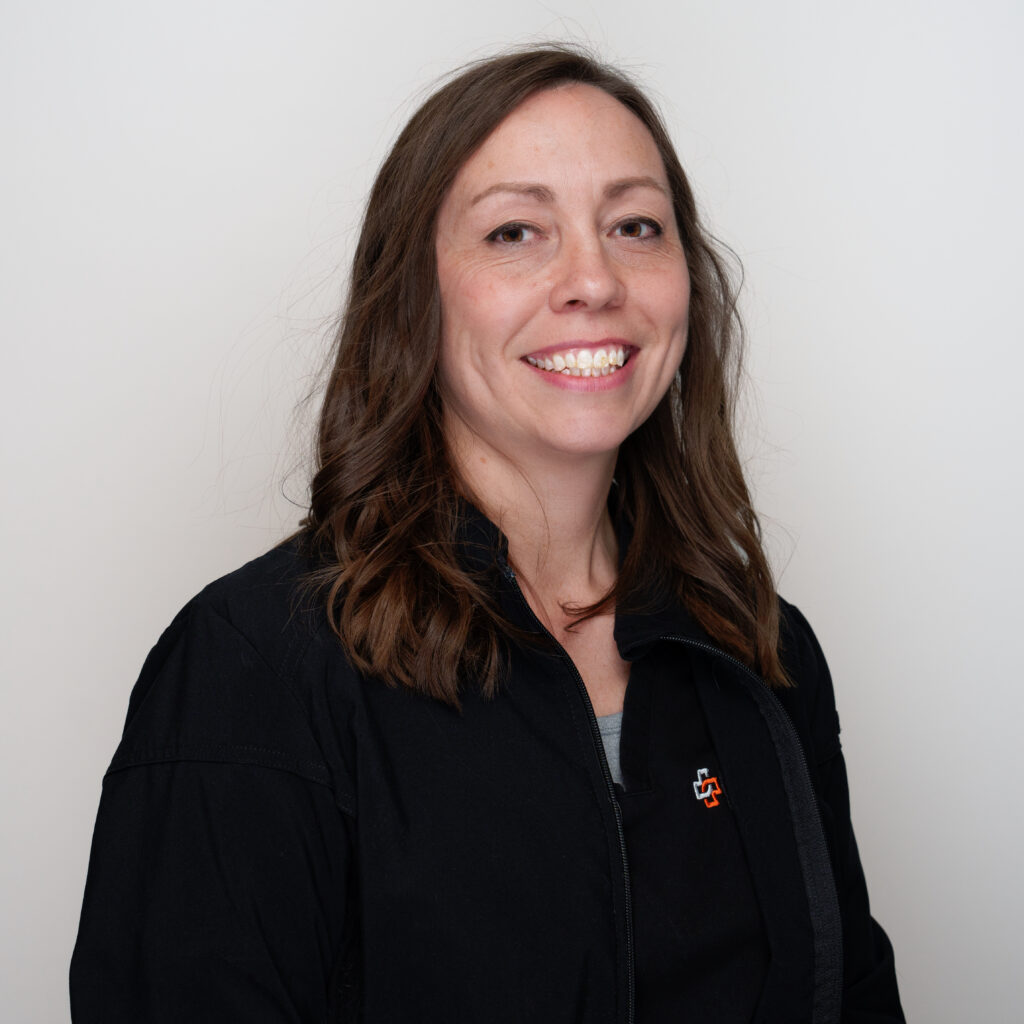
Chrissy, RVT
Registered Veterinary Technician
Supports ophthalmology patients throughout specialty exams, diagnostics, treatment and procedures.
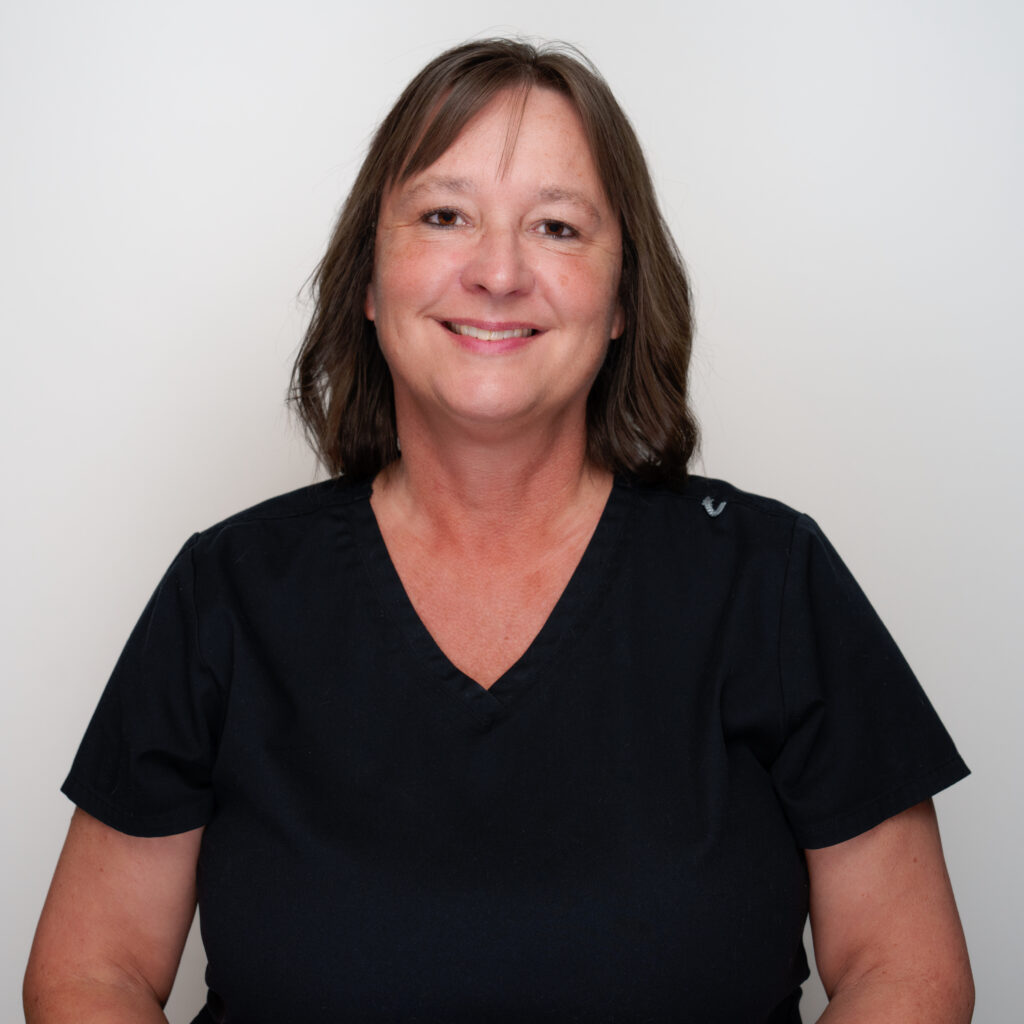
Nannette
Ophthalmology Client Service Coordinator
Helps families coordinate appointments, records and communication with the ophthalmology team.
Visit COVE
Specialty eye care in Central Ohio
Call to confirm the best location and appointment availability for your pet’s ophthalmology needs.
Clintonville Hospital
3134 N High St
Columbus, OH 43202
Specialty hours: Monday–Friday, 7 AM–4 PM
Delaware Hospital
585 Sunbury Rd
Delaware, OH 43015
Specialty hours: Monday–Friday, 8 AM–5 PM
Frequently asked questions
Veterinary Ophthalmology FAQ
A few helpful answers before your pet’s visit.
Does my pet need a referral?
Call COVE to discuss scheduling and records. We welcome coordination with your primary veterinarian so the ophthalmology team has relevant history and test results.
What happens during an eye exam?
The ophthalmologist evaluates the external and internal eye with specialized magnification and lighting, then performs any additional tests needed to reach a diagnosis.
Can cataracts in pets be treated?
Many pets may be candidates for cataract surgery. A complete examination and retinal testing help determine whether surgery is appropriate.
Are red eyes an emergency?
Redness can have several causes, including painful conditions that threaten vision. Sudden or severe redness, squinting, cloudiness or vision change deserves prompt advice.
What should I bring?
Bring current medications and any relevant records. If your pet receives eye medication, ask the team whether it should be given as usual before the appointment.