TPLO, TTA, and lateral suture stabilization are different surgical approaches used for canine cranial cruciate ligament (CCL) injuries. Pet owners may see strong opinions about which procedure is “best,” but no single technique is automatically right for every dog. Procedure choice depends on the patient’s knee, anatomy, size, age, health, activity, concurrent joint problems, and the surgeon’s assessment and experience.
The canine CCL is often called the ACL by pet owners because it has a role similar to the human anterior cruciate ligament. All three procedures aim to improve stability and function in a CCL-deficient knee, but they do so in different ways.
First, Confirm the Diagnosis
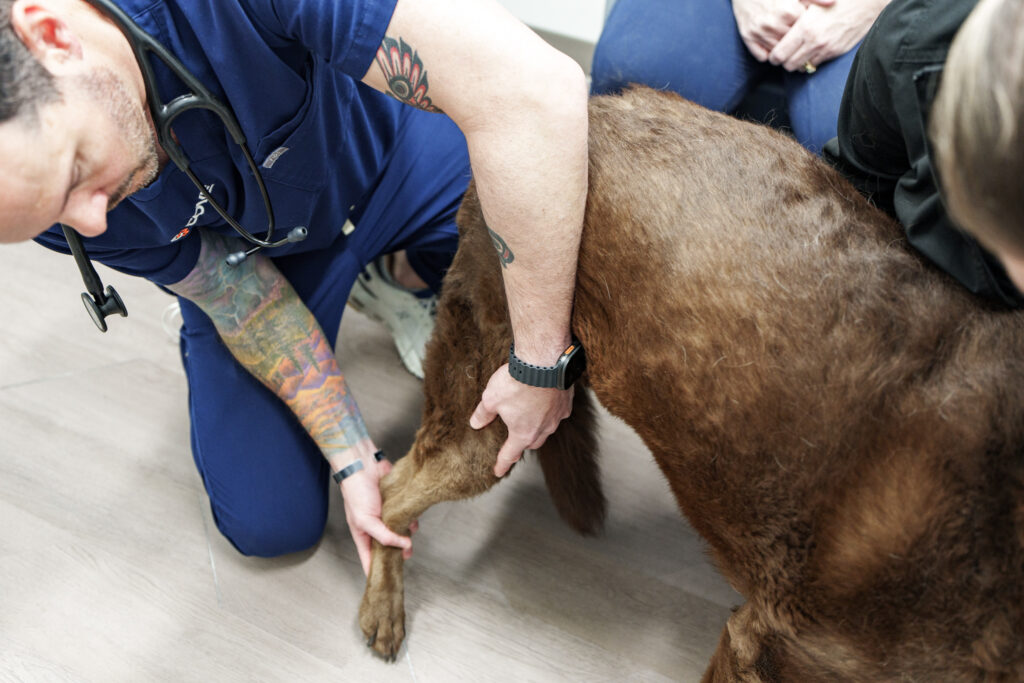
Back-leg limping can come from CCL disease, patellar luxation, fracture, hip disease, arthritis, muscle injury, or another condition. An orthopedic examination may identify cranial drawer or tibial thrust, joint swelling, pain, muscle loss, and gait changes that support a CCL diagnosis.
Radiographs help assess arthritis, bone, joint alignment, and other causes of lameness. They are also needed for planning bone-altering procedures. Sedation or additional imaging may be recommended for a partial tear or complex anatomy.
How TPLO Works
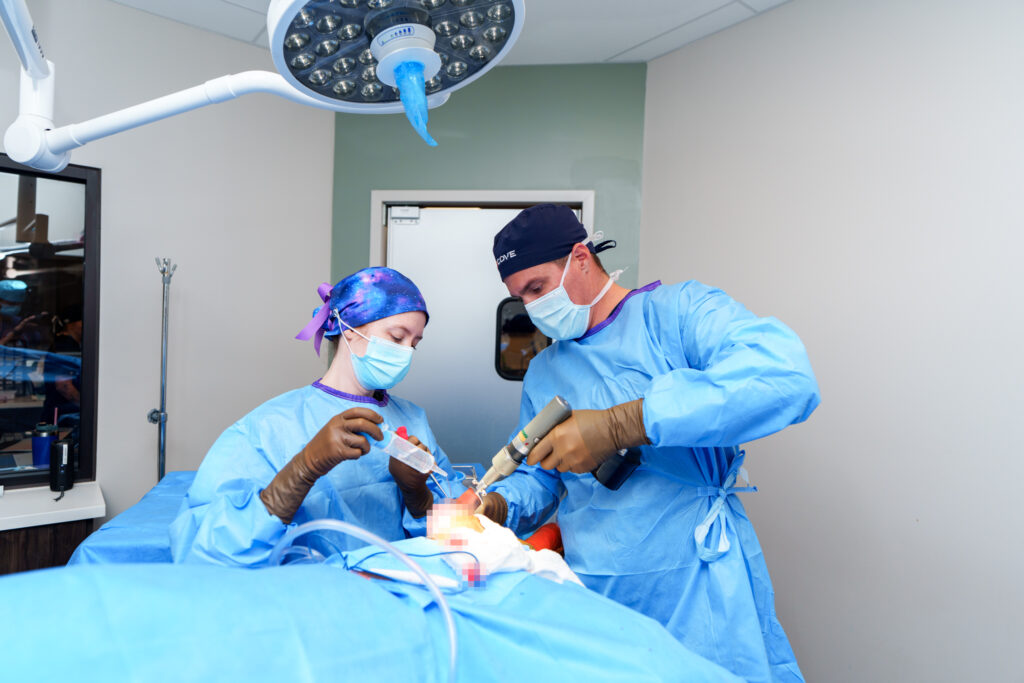
Tibial plateau leveling osteotomy (TPLO) changes the mechanics of the knee. The surgeon makes a curved cut in the upper tibia, rotates the tibial plateau to a planned angle, and secures the bone with a plate and screws. This reduces abnormal forward tibial movement during weight bearing without replacing the torn ligament.
TPLO Considerations
- Requires an osteotomy and bone healing
- Uses a plate and screws to stabilize the rotated bone segment
- Requires strict activity restriction during healing
- May be considered for dogs of different sizes and activity levels
- Requires precise radiographic planning
- Can be adapted to some complex knee presentations, depending on anatomy
Learn more in the complete guide to TPLO surgery for dogs.
How TTA Works
Tibial tuberosity advancement (TTA) is another osteotomy-based procedure. Instead of rotating the tibial plateau, the surgeon advances the tibial tuberosity, where the patellar tendon attaches. This changes the relationship of forces acting through the knee during weight bearing.
TTA uses implants to maintain the planned advancement while the bone heals. Implant design and exact technique can vary.
TTA Considerations
- Requires a bone cut and healing period
- Uses procedure-specific implants
- Depends on measurements and knee anatomy
- Requires strict postoperative activity control
- May be appropriate for selected patients based on the surgeon’s evaluation
How Lateral Suture Stabilization Works
Lateral suture stabilization is also called extracapsular stabilization or a lateral fabellar suture. The surgeon places strong suture material outside the joint to limit abnormal motion. The implant provides support while the body develops scar tissue around the knee.
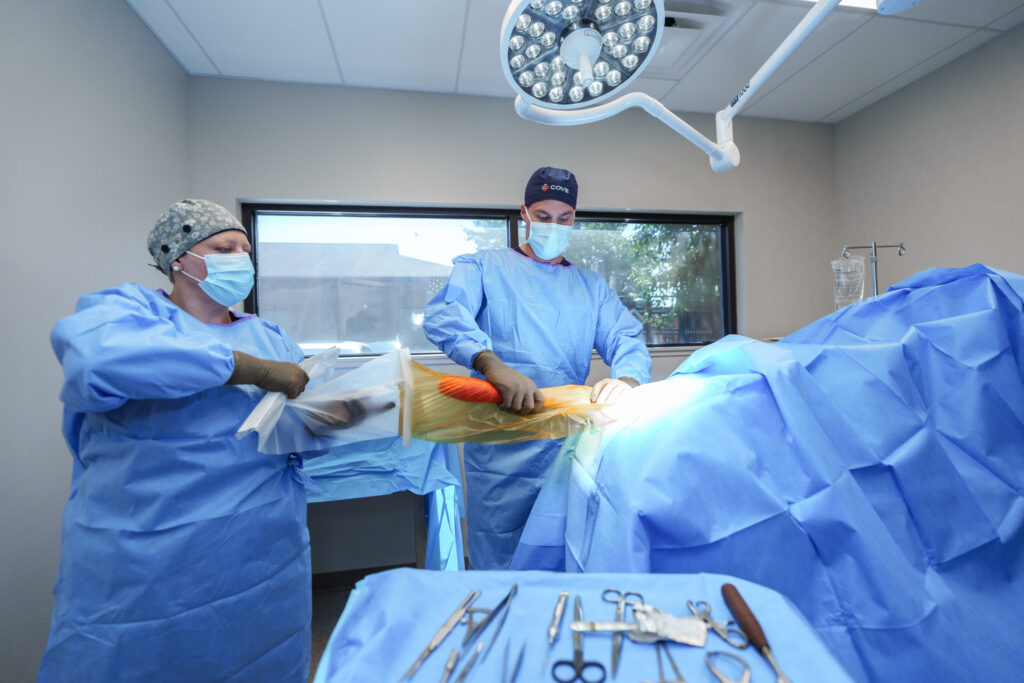
This procedure does not require the same type of tibial osteotomy used in TPLO or TTA. It still requires anesthesia, surgical joint evaluation as indicated, careful placement, and controlled recovery.
Lateral Suture Considerations
- Does not require a tibial plateau rotation or advancement
- Uses strong extracapsular suture material
- Relies partly on development of supportive scar tissue
- May be discussed more often for selected smaller or less active patients
- Can be affected by patient size, activity, conformation, and implant forces
- Still requires activity restriction and rechecks
Comparing the Main Differences
Method of Stabilization
TPLO and TTA alter forces through the knee by changing tibial geometry. Lateral suture stabilization places an extracapsular implant to control abnormal motion while scar tissue develops. None of the procedures recreates a normal canine CCL.
Bone Healing
TPLO and TTA require healing of an osteotomy. A dog may feel better and use the leg before the bone is ready for unrestricted activity. Follow-up radiographs commonly help determine when activity can progress. Lateral suture surgery does not use the same osteotomy, but the soft tissues and extracapsular stabilization still need protection during recovery.
Implants
TPLO uses a plate and screws. TTA uses implants designed to hold the advancement. Lateral suture stabilization uses strong suture material and fixation points outside the joint. Infection, irritation, loosening, or failure are possible with any implant, although the specific risks differ.
Patient Size and Activity
Size and activity influence the forces placed on a repair, but they should not be used as the only selection criteria. A small athletic dog and a large quiet dog may each have factors that change the recommendation. The condition of the other limbs and the owner’s functional goals also matter.
Anatomy and Concurrent Problems
Tibial plateau angle, limb alignment, bone quality, patellar stability, arthritis, and other knee conditions can affect planning. A dog with both CCL disease and patellar luxation may need a coordinated plan that addresses more than one source of instability.
Surgeon Assessment and Experience
Procedure choice should include the surgeon’s interpretation of the examination and images, familiarity with the technique, and ability to manage anatomic challenges or complications. Owners should ask why a procedure is recommended for their dog rather than expecting a universal rule.
Why COVE Typically Uses TPLO
At COVE Pet Care, TPLO is typically the surgical technique used for dogs who need operative stabilization of a CCL-deficient knee. COVE’s orthopedic team has extensive experience performing TPLO and has seen successful outcomes in appropriately selected patients. For that reason, COVE does not routinely use TTA or lateral suture stabilization for canine CCL surgery.
This does not mean TPLO is appropriate for every dog. The recommendation still depends on the orthopedic examination, knee stability, anatomy, overall health, activity needs, and the family’s goals and ability to manage recovery. An orthopedic consultation is needed to determine whether TPLO or another treatment path is appropriate for an individual patient.
What About Meniscal Injury?
The menisci help distribute load and absorb shock inside the knee. They can be damaged when the CCL is torn. Meniscal assessment and treatment may be part of any CCL operation. A meniscal injury can contribute to pain, clicking, or persistent or recurrent lameness.
Do Recovery Times Differ?
Every CCL operation requires controlled recovery. TPLO and TTA require protection while bone heals, usually with follow-up radiographs before unrestricted activity. Lateral suture stabilization requires protection while soft tissues and scar support develop. Exact milestones vary by procedure, patient, and surgeon.
A general timeline cannot replace discharge instructions. Do not increase walks, add exercises, allow stairs, or resume running because the dog seems energetic.
Are Nonsurgical Options Available?
Nonsurgical management may be considered for selected dogs and can include weight management, controlled activity, rehabilitation, and veterinarian-prescribed medication. It does not repair the damaged CCL, and instability may continue to contribute to pain and arthritis. Health, symptoms, size, activity, and owner goals influence whether this approach is reasonable.
Questions to Ask When Comparing Procedures
- What findings confirm a CCL injury?
- Is the tear partial or complete?
- How do this dog’s size, activity, and anatomy affect the recommendation?
- Is meniscal damage or patellar luxation present?
- Why is this procedure preferred for this patient?
- What are the major risks and recovery requirements?
- What rechecks and follow-up images are expected?
- What are reasonable alternatives?
Comparing CCL Surgery Options at COVE
COVE Pet Care evaluates canine knee instability and helps owners understand the available treatment paths. The process includes examination, review of records and imaging, surgical planning when appropriate, and a patient-specific recovery discussion for families in Columbus, Clintonville, Delaware, and across Central Ohio.
Explore orthopedic surgery at COVE or request an orthopedic consultation. Online comparisons cannot determine which procedure is appropriate for an individual dog.