If your dog is drinking and urinating more than usual, schedule a veterinary examination. Increased thirst and urine production—called polydipsia and polyuria—can occur with kidney disease, diabetes, Cushing’s disease, urinary problems, medication effects, and other conditions. Observing the change is useful; determining the cause requires an examination and testing.
Keep fresh water available unless a veterinarian gives specific instructions. Restricting water can be dangerous because many affected pets are drinking to replace fluid they are losing.
How much drinking or urination is “too much”?
There is no single visible threshold that fits every dog. Weather, activity, diet, body size, pregnancy, nursing, and medications affect water intake. What matters is a consistent change from your dog’s normal pattern: an empty water bowl sooner than expected, waking to drink, asking to go outside more often, producing larger urine volumes, or having new accidents.
If practical, measure how much water all sources provide over 24 hours and record how much remains. This is most useful in a one-pet household. Do not withhold water to perform a home “test.” Tell your veterinarian about wet food, fountains, shared bowls, toilet drinking, and any recent diet or medication changes.
Kidney disease
Healthy kidneys conserve water by concentrating urine. When kidney function is impaired, a pet may produce larger amounts of dilute urine and drink more to compensate. Chronic kidney disease often develops gradually, while acute kidney injury can appear suddenly after an illness, toxin exposure, severe dehydration, infection, or another event.
Other signs can include weight loss, reduced appetite, vomiting, bad breath, lethargy, or dehydration, but early chronic disease may cause few obvious changes. Learn more about kidney disease in dogs and cats.
Diabetes mellitus
With diabetes mellitus, glucose can spill into the urine and pull water with it, leading to increased urination and thirst. Some dogs also eat more while losing weight, develop cataracts, or seem weak. Diabetes cannot be confirmed from signs alone; blood and urine testing are needed.
Vomiting, loss of appetite, marked lethargy, dehydration, or weakness in a pet with suspected or known diabetes can indicate a serious complication and warrants urgent evaluation.
Cushing’s disease
Cushing’s disease, or hyperadrenocorticism, results from prolonged excess cortisol. Common signs in dogs include increased thirst and urination, increased appetite, panting, a rounded or pendulous abdomen, muscle loss, recurrent skin or urinary infections, thin skin, and symmetrical hair thinning.
The condition requires a combination of clinical assessment and endocrine testing; no single symptom or routine chemistry result proves the diagnosis. Read the guide to Cushing’s disease symptoms, testing, and treatment.
Urinary disease and infection
Not every pet that urinates frequently is producing a large total volume. Bladder inflammation, stones, infection, or obstruction can cause repeated attempts that produce only small amounts. This distinction matters because straining with little or no urine—especially in a male cat—is an emergency.
Watch for blood in the urine, discomfort, licking, accidents, strong odor, or repeated squatting. A urine sample, culture, and imaging may be needed to identify the cause and choose treatment responsibly.
Medications and other possible causes
Corticosteroids, diuretics, some seizure medications, and other drugs can increase thirst and urination. Never stop a prescribed medication abruptly without veterinary guidance. Tell the veterinarian about prescriptions, preventives, supplements, compounded products, and any medication used by people in the household that the pet could have accessed.
Other possibilities include liver disease, high blood calcium, uterine infection in an unspayed female, thyroid disease in cats, electrolyte disorders, and less common problems involving antidiuretic hormone. The history and initial test results determine which possibilities need further evaluation.
What tests might the veterinarian recommend?
Evaluation commonly starts with a physical examination, complete blood count, chemistry profile, and urinalysis. These tests assess blood cells, glucose, kidney and liver values, electrolytes, and the urine’s concentration. A urine culture may be recommended even when a pet has no obvious urinary discomfort.
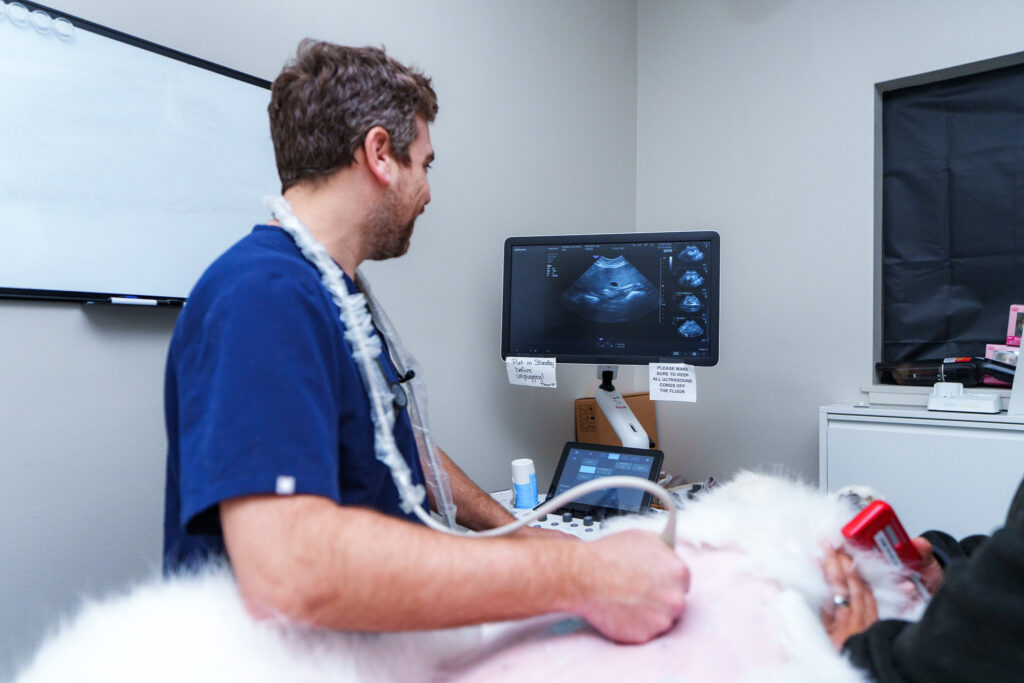
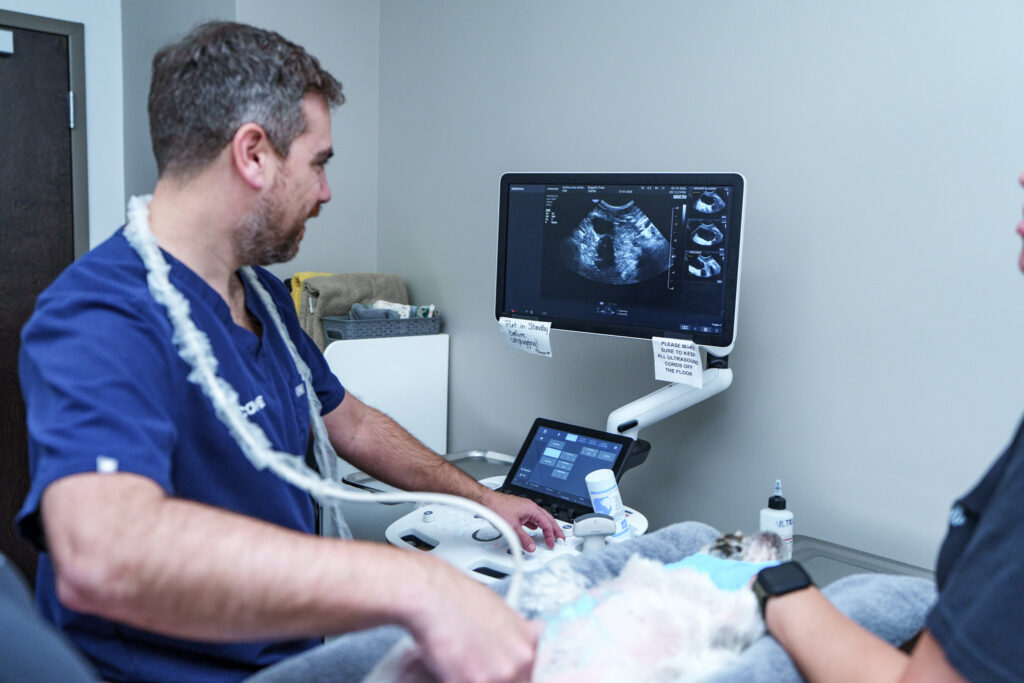
Depending on the results, next steps may include blood pressure measurement, repeat fasting tests, endocrine testing, abdominal imaging, or tests for infectious disease. Ultrasound can evaluate kidney and adrenal structure, the liver, bladder, and other abdominal organs, but it does not replace functional blood, urine, or hormone testing.
Cats can have the same symptoms
Although this article uses a dog-focused title, cats also develop increased thirst and urination. Chronic kidney disease, diabetes mellitus, and hyperthyroidism are common considerations in adult and senior cats. Owners may first notice larger urine clumps, a wet litter box, water-bowl changes, weight loss, or a change in appetite.
Cats can hide illness until it is advanced, so a sustained change deserves evaluation. Straining, vocalizing, repeated litter-box visits, or producing little to no urine is not simply increased urination; it can signal urinary obstruction and requires emergency care.
When Internal Medicine may help
An internist may become involved when initial testing does not explain the change, several abnormalities overlap, endocrine testing is needed, kidney disease requires staging or complex management, or a condition is not responding as expected. Read what a veterinary internal medicine specialist does and explore COVE’s Internal Medicine service.
Urgent warning signs
Seek urgent or emergency care if your pet cannot urinate, repeatedly strains with only drops produced, is vomiting and unable to keep water down, collapses, becomes profoundly weak, has a painful or enlarged abdomen, shows signs of toxin exposure, or deteriorates quickly. The COVE Emergency Medicine page lists current locations and additional warning signs.
Frequently asked questions
Should I limit my dog’s water to stop accidents?
No, not unless a veterinarian has given case-specific instructions. Water restriction can worsen dehydration and dangerous electrolyte changes. Provide access and arrange an examination.
Can a urine test tell the veterinarian everything?
Urinalysis is important, but it is interpreted with the history, examination, and bloodwork. A culture, imaging, endocrine test, or repeat sample may be needed.
Could this simply be aging?
Older pets may have mobility or continence changes, but increased thirst and urine volume should not be dismissed as normal aging. Senior pets are also more likely to develop several medical causes.
How soon should my pet be seen?
A sustained change should be assessed promptly, even if your pet seems comfortable. Same-day or emergency evaluation is appropriate when warning signs such as inability to urinate, vomiting, collapse, severe weakness, pain, or rapid decline are present.
Arrange an evaluation
Central Ohio pet owners can begin with their family veterinarian. If specialist testing or management is recommended, contact COVE Pet Care to ask about Internal Medicine scheduling.
This article provides general medical information and cannot determine why an individual pet is drinking or urinating more. Diagnosis and treatment require veterinary evaluation.