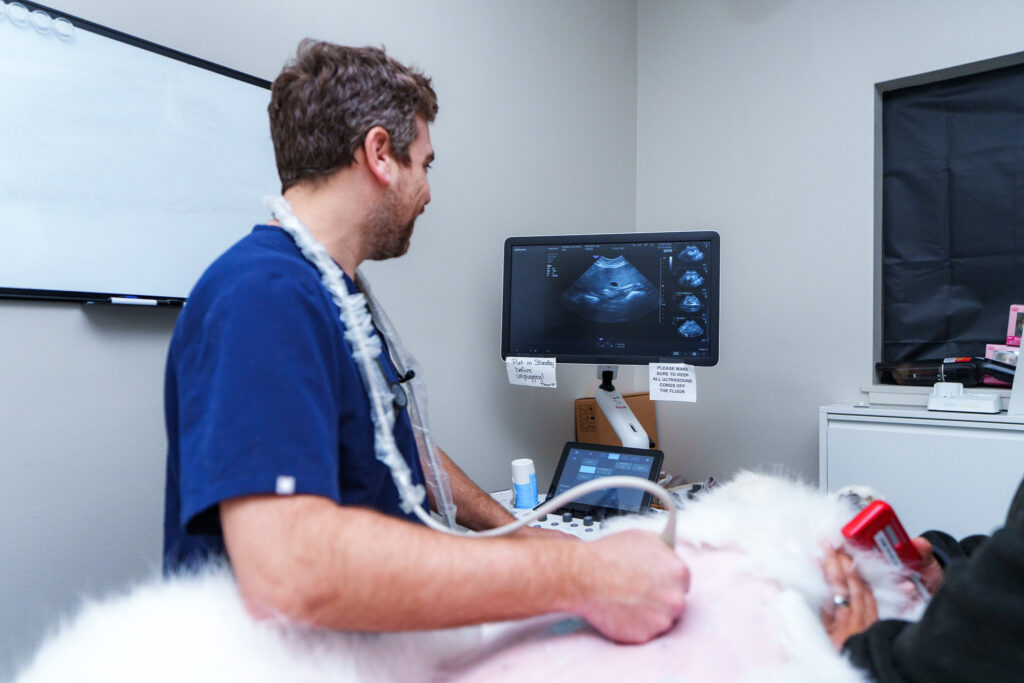
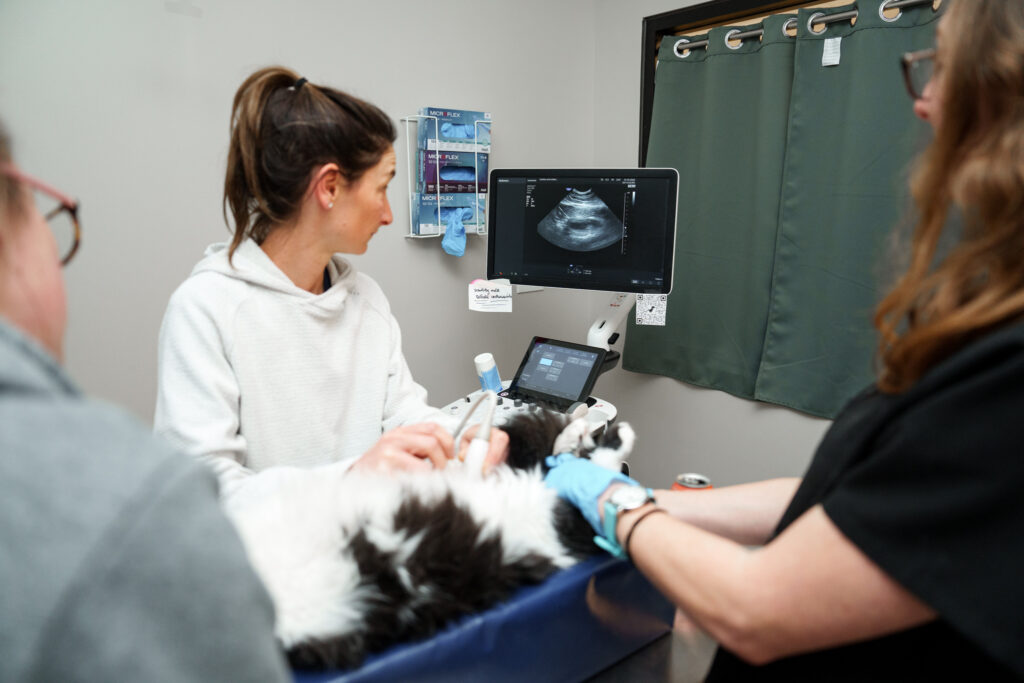
Kidney disease in dogs and cats can be acute, developing over hours to days, or chronic, progressing over months or years. Signs may include increased thirst and urination, appetite or weight loss, vomiting, lethargy, dehydration, and changes in urine production. Some pets with early chronic kidney disease show no obvious symptoms, so examination, blood and urine tests, and blood pressure measurement are important.
Kidney disease is not one single diagnosis. The cause, severity, complications, and expected course vary widely. A veterinarian must interpret test results in the context of hydration, other illnesses, medication, and whether changes persist.
What the kidneys do
The kidneys filter metabolic waste from the blood, regulate water and electrolytes, support acid-base balance, help control blood pressure, and produce signals involved in red blood cell production. They also concentrate urine so the body can conserve water.
Because the kidneys serve several roles, disease can cause more than an abnormal “kidney value.” A pet may develop dehydration, nausea, electrolyte or acid-base changes, high blood pressure, protein loss in urine, anemia, or difficulty maintaining body weight.
Acute kidney injury versus chronic kidney disease
Acute kidney injury (AKI) develops suddenly. Possible causes include toxins, severe dehydration or low blood pressure, infection, heat injury, obstruction of urine flow, and inflammation. Some causes can be partially or substantially reversible if recognized and treated quickly, while severe injury can be life-threatening.
Chronic kidney disease (CKD) is a persistent loss of kidney structure or function. It is common in older cats and also occurs in dogs. CKD is generally managed rather than cured. The goal is to identify treatable contributors, slow progression when possible, control complications, and maintain quality of life.
A pet can have an acute decline on top of chronic disease. Previous laboratory results, duration of symptoms, examination findings, urine concentration, imaging, and response to treatment help the veterinary team determine whether the problem is acute, chronic, or mixed.
Symptoms owners may notice
Possible signs include:
- Drinking more and producing larger amounts of urine
- New house-soiling or larger litter-box clumps
- Reduced appetite, nausea, vomiting, or diarrhea
- Weight loss or muscle loss
- Lethargy, weakness, or reduced interest in normal activities
- Dehydration despite drinking
- Bad breath or oral ulcers in advanced illness
- Very little urine or no urine in an acute crisis or obstruction
Many of these signs occur with other diseases. Increased thirst and urination can also accompany diabetes, Cushing’s disease, medication effects, liver disease, and urinary problems. See why dogs—and cats—may drink and urinate more.
How kidney disease is diagnosed
Initial evaluation usually includes a physical examination, complete blood count, chemistry profile, and urinalysis. Blood tests may include creatinine, blood urea nitrogen, SDMA, phosphorus, potassium, and other measurements. Urinalysis assesses concentration, protein, sediment, glucose, and signs that may justify a culture.
No single kidney value should be interpreted in isolation. Dehydration and reduced blood flow can elevate some markers without primary kidney damage, while early CKD may be present before creatinine is substantially increased. Repeat testing after hydration is corrected or when the patient is stable may be necessary.
Blood pressure and urine protein measurement help identify important complications and guide treatment. Ultrasound or radiographs may be used to assess kidney size and architecture, stones, obstruction, infection-related changes, cysts, or masses. Selected patients need infectious disease testing, urine culture, specialized blood tests, or tissue sampling.
Staging chronic kidney disease
After CKD is diagnosed in a stable, adequately hydrated patient, veterinarians may use International Renal Interest Society (IRIS) guidance to stage disease. Staging uses creatinine and/or SDMA and is further characterized by urine protein and blood pressure. Stage helps organize treatment and monitoring, but it does not replace the full clinical picture.
A pet’s plan changes with appetite, hydration, phosphorus, potassium, blood pressure, protein loss, anemia, urinary infection, and other conditions. Staging may be revisited as values and treatment response change.
Treatment and long-term management
Acute kidney injury often requires hospitalization for intravenous fluids, correction of electrolyte or acid-base abnormalities, nausea control, close urine-output monitoring, and treatment of the cause when known. Obstruction, toxin exposure, infection, or severe complications may require additional procedures or advanced care.
Chronic kidney disease treatment is individualized. Depending on stage and complications, the plan may include:
- A veterinary renal diet and strategies to maintain calorie intake
- Reliable access to fresh water and support for hydration
- Medication for nausea, appetite, stomach acid, or constipation when indicated
- Management of high phosphorus, low potassium, proteinuria, or high blood pressure
- Treatment of urinary infection when confirmed
- Management of anemia in selected patients
- Scheduled monitoring of weight, muscle condition, bloodwork, urine, and blood pressure
Not every pet needs every treatment. Giving unneeded supplements or changing diet without considering the stage and other diseases can be counterproductive. The safest plan is based on measured abnormalities and the pet’s response.
Monitoring at home
Track appetite, water intake, urination, vomiting, stool, energy, and body weight. Ask how often rechecks are needed and what changes should trigger an earlier visit. Cats and dogs may look stable while dehydration, blood pressure, phosphorus, protein loss, or anemia changes, so laboratory monitoring remains important even when a pet seems comfortable.
Do not give human pain relievers or other medication unless a veterinarian specifically prescribes it for your pet. Some drugs and toxins can injure the kidneys or become unsafe when kidney function is reduced.
When Internal Medicine may help
A board-certified internist may help with rapid or unexplained changes, complicated fluid and electrolyte needs, persistent protein in the urine, difficult blood pressure control, suspected immune-mediated or infectious disease, structural abnormalities, or CKD that is progressing despite an appropriate plan. The specialist can also coordinate imaging and advanced diagnostics.
Read what veterinary internal medicine specialists do and learn about Internal Medicine at COVE Pet Care.
Warning signs that need urgent or emergency care
Seek immediate care if your pet produces little to no urine, repeatedly strains without passing urine, may have ingested a kidney toxin, cannot keep water down, collapses, is severely weak, has trouble breathing, develops seizures, or deteriorates quickly. Known kidney patients with sudden appetite loss, repeated vomiting, profound lethargy, or marked dehydration should be assessed promptly.
Use COVE’s Emergency Medicine and Critical Care page for current hospital information. Do not wait for a routine specialist appointment when emergency signs are present.
Frequently asked questions
Can kidney disease be cured?
Some acute injuries improve substantially when the cause is treated quickly, although recovery is not guaranteed. Chronic kidney disease is usually managed rather than cured, with care focused on slowing progression, controlling complications, and supporting quality of life.
Does a high creatinine always mean chronic kidney disease?
No. Dehydration, acute injury, obstruction, muscle mass, and other factors affect interpretation. CKD diagnosis requires evidence of persistent kidney abnormality in an appropriately evaluated patient.
Should every kidney patient eat the same diet?
No. Veterinary renal diets can provide important benefits for many CKD patients, but nutrition must account for stage, appetite, body condition, other disease, and whether the problem is acute or chronic.
Why are blood pressure and urine protein checked?
High blood pressure and proteinuria can occur with kidney disease, contribute to further injury, and require specific management. They also help veterinarians characterize CKD beyond a blood value alone.
Arrange appropriate care
If your dog or cat has abnormal kidney values or signs that may indicate kidney disease, schedule a veterinary examination. For specialty consultation in Columbus or Delaware, contact COVE Pet Care or ask your family veterinarian to send a referral.
This article is for general education and is not a diagnosis, treatment plan, or substitute for veterinary examination. Kidney disease can change quickly; urgent signs require prompt professional care.