The cost of TPLO surgery cannot be represented accurately by one universal number. Estimates vary with the patient, hospital, region, diagnostic needs, anesthesia plan, implant system, hospital stay, medications, rechecks, imaging, rehabilitation, and treatment of additional joint findings.
COVE-specific pricing has not been inserted into this guide because a verified current amount was not provided. A written estimate from the orthopedic team is the appropriate source for an individual dog. This article explains the parts an estimate may include and the questions owners can ask when comparing what is covered.
Why TPLO Estimates Vary
Tibial plateau leveling osteotomy (TPLO) is a planned orthopedic procedure for selected dogs with cranial cruciate ligament (CCL) disease. Pet owners often use the term ACL tear, but CCL is the veterinary term. The operation changes knee mechanics through a precisely planned tibial osteotomy secured with a plate and screws.
Two dogs with the same diagnosis may need different testing, anesthesia support, implant sizes, joint treatment, hospitalization, or follow-up. A total also depends on which services are bundled into the estimate and which are billed separately.
Orthopedic Consultation and Examination
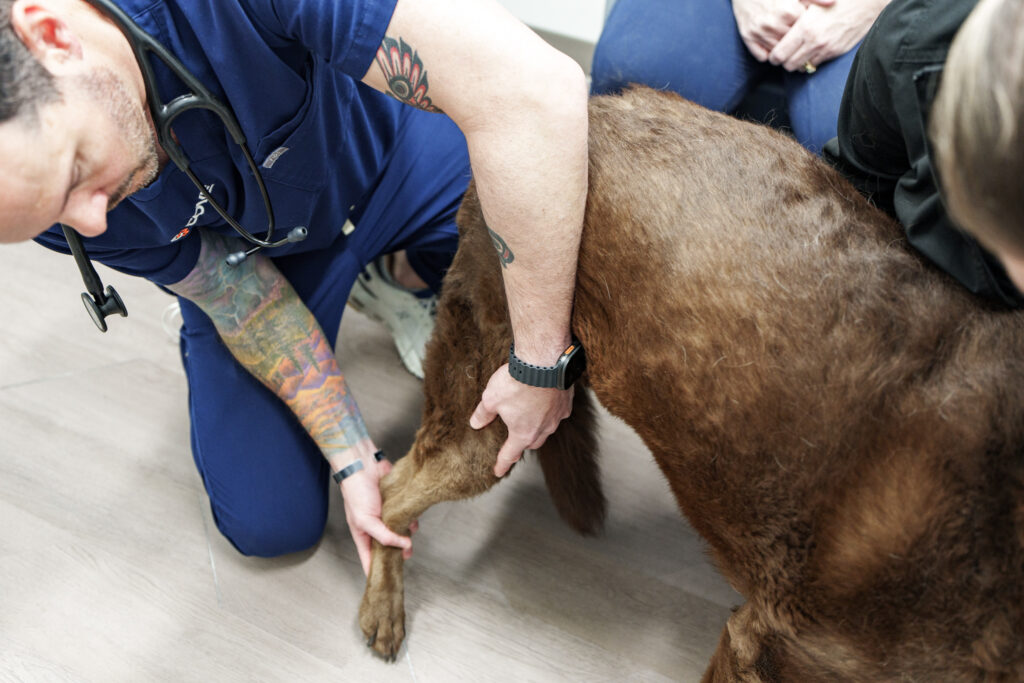
The consultation allows the team to review the history, observe gait, examine both back legs, assess knee stability, and discuss treatment options. Prior examination notes and original radiographs may be reviewed when available.
Ask whether the consultation fee is included in the surgical estimate or billed separately. If the diagnosis is uncertain or another condition is suspected, an additional visit or test may be needed before surgery is scheduled.
Diagnostic Imaging
Radiographs support diagnosis, rule out some other causes of lameness, show arthritis and bone changes, and provide measurements for surgical planning. Accurate positioning may require sedation. Some complex cases need additional views, imaging of the opposite leg, CT, or another test.
Ask whether the estimate includes preoperative radiographs, sedation, radiologist review if applicable, postoperative images, and follow-up radiographs used to assess bone healing.
Preoperative Bloodwork and Testing
Bloodwork helps the team assess organ function, blood-cell values, and other factors relevant to anesthesia and medication planning. Additional testing may be recommended based on age, history, examination findings, or known medical conditions.
A dog with heart, endocrine, kidney, liver, bleeding, or other health concerns may need testing or medical management beyond the standard surgical plan.
Anesthesia and Monitoring
Anesthesia costs may reflect the anesthetic plan, monitoring equipment, medications, intravenous access and fluids, warming, recovery supervision, and the time required for the procedure. Patient size, health, and procedure complexity can affect the plan.
Ask whether anesthesia, monitoring, nerve blocks or other regional techniques, and immediate recovery care are included.
Surgical Procedure and Joint Evaluation
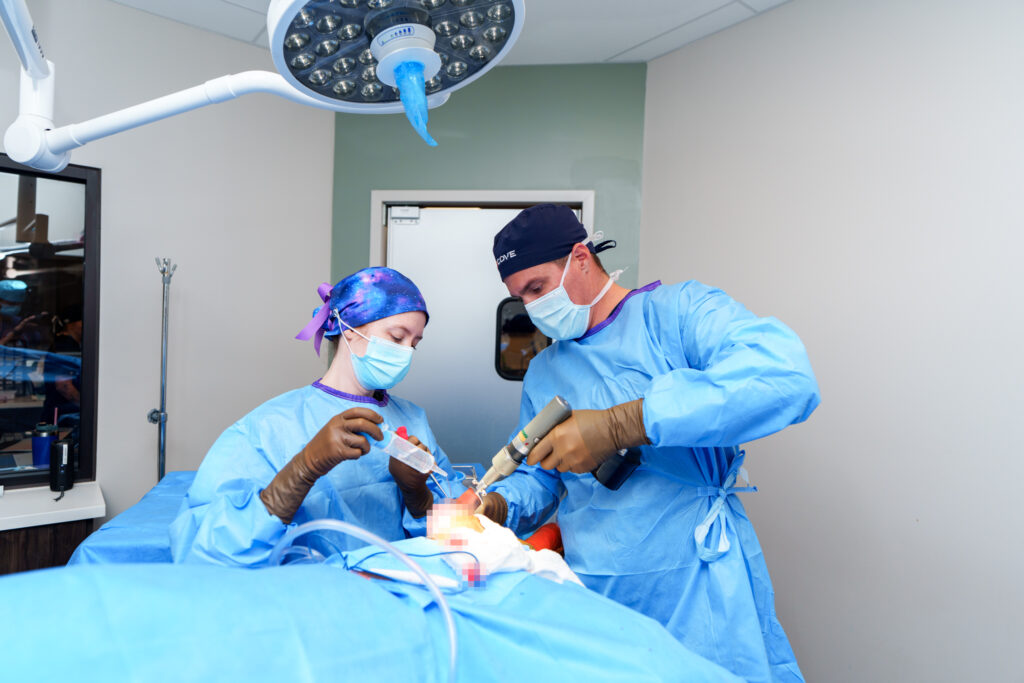
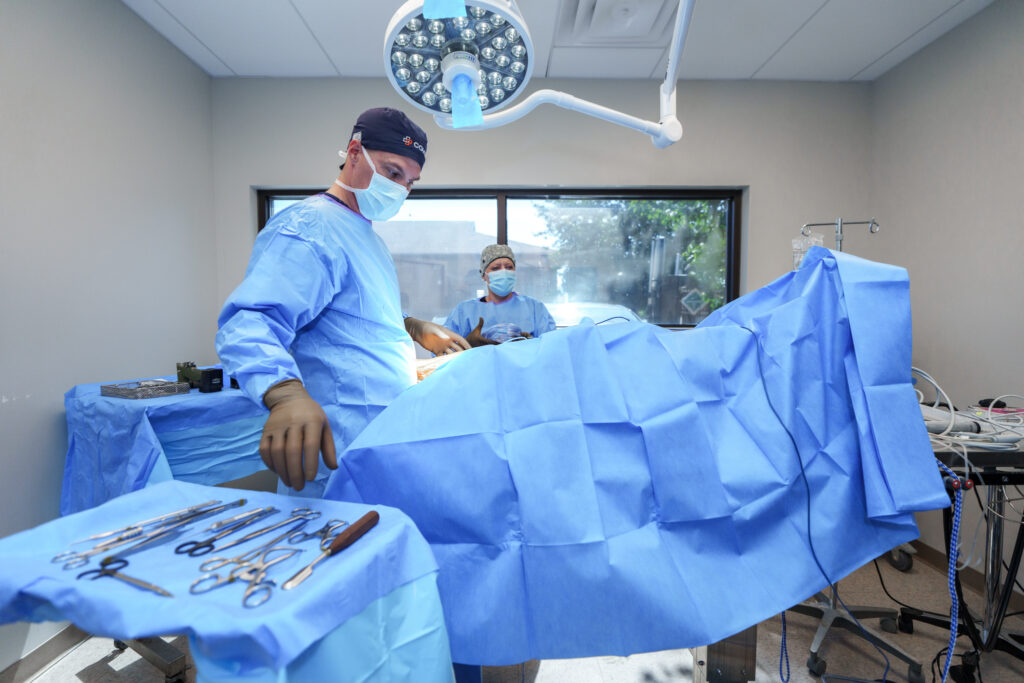
The surgical portion may include operating-room time, sterile supplies, the surgeon and support team, inspection of the joint, management of damaged meniscal tissue when indicated, the tibial osteotomy, and closure.
If an unexpected joint finding changes the procedure, the team should explain how that may affect treatment and cost. Ask how estimate changes are handled when findings cannot be confirmed until surgery.
Plate, Screws, and Other Implants
TPLO uses a plate and screws selected for the patient’s anatomy and surgical plan. Implant design, size, and number can affect cost. Unusual tibial anatomy, a very small or very large patient, or a combined knee problem may require different equipment or planning.
The implants usually remain in place after healing unless irritation, infection, or another concern makes removal appropriate. Future implant removal is generally a separate procedure and should not be assumed to be included.
Hospital Care
The estimate may include nursing care, pain assessment, intravenous support, prescribed medication, meals, mobility assistance, and a planned period of hospitalization. Length of stay varies with comfort, mobility, medical needs, timing, and the hospital’s protocol.
Ask what length of stay is anticipated and how additional hospitalization would be handled if the dog needs more support.
Discharge Medications
Take-home prescriptions may include pain medication and other drugs selected for the patient. The number, type, and duration vary. Do not compare estimates by medication count alone, because health conditions and pain-management plans differ.
Ask whether all expected discharge medications are included and whom to contact if a medication is not tolerated.
Follow-Up Examinations
Rechecks may evaluate the incision, comfort, gait, activity progression, and recovery concerns. Some hospitals include certain routine rechecks in a surgical package; others bill each visit separately.
Ask how many routine rechecks are anticipated, which are included, and what may generate an additional fee, such as a new limp, incision concern, or unscheduled examination.
Follow-Up Radiographs
Radiographs help determine whether the tibial osteotomy is healing and whether activity can increase. They may require sedation for precise positioning. A dog using the leg well still needs the follow-up plan recommended by the surgeon.
Ask whether the standard healing radiographs and any related sedation or interpretation are included.
Rehabilitation
Rehabilitation may support joint motion, muscle strength, balance, and a gradual return to function. The estimate may include an initial rehabilitation consultation, a package of sessions, or no rehabilitation services. Home exercises may be part of the plan, but they should be prescribed for the individual dog and stage of healing.
Ask whether rehabilitation is recommended, where it is provided, and whether it is included or separately estimated.
Possible Additional Costs
An estimate cannot guarantee that no additional care will be needed. Potential additions may include treatment of an unrelated medical issue, extra hospitalization, repeat imaging, management of an incision problem, evaluation after a fall or activity setback, treatment of infection, or another procedure for a complication.
Complications are possible but should not be assumed. Ask whether the hospital offers financial policies, payment options, or pet-insurance documentation and how unexpected changes are communicated.
Questions to Ask About a TPLO Estimate
- Is this a range or a fixed estimate?
- Which consultation, imaging, and bloodwork are included?
- Are anesthesia, implants, hospital care, and take-home medications included?
- Does the estimate cover meniscal treatment if needed?
- Which rechecks and follow-up radiographs are included?
- Is rehabilitation included or separate?
- What circumstances could change the estimate?
- How will I be contacted if the plan changes?
- What payment and insurance-documentation options are available?
Understanding Value Beyond the Total
When reviewing an estimate, compare the diagnosis, procedure, anesthesia and monitoring, implant plan, hospitalization, follow-up, and communication included. A lower or higher total does not by itself show whether two plans contain the same services.
Owners should also understand the alternatives. TPLO is not right for every dog. The surgeon may discuss TTA, lateral suture stabilization, or nonsurgical management based on the patient. Read the complete TPLO surgery guide for procedure and candidacy background.
Requesting a TPLO Estimate at COVE
COVE Pet Care provides orthopedic consultations for families in Columbus, Clintonville, Delaware, and across Central Ohio. A patient-specific estimate follows review of the dog, diagnosis, available imaging, medical needs, and recommended plan.
Explore orthopedic surgery at COVE or request a consultation. No COVE price is stated here; current pricing and estimate details require confirmation by the COVE team.