If your dog eats something potentially toxic, act quickly even if they look normal. Some poisons cause delayed signs, and treatment may be more effective before symptoms begin.
Remove your dog from the source, prevent other pets from being exposed, gather the package or label, and call a veterinarian or animal poison-control service immediately. Do not induce vomiting or give a home remedy unless a veterinary professional specifically directs you to do so.
What Should I Do First?
- Move your dog away from the substance. Do so only if you can avoid exposing yourself.
- Check your dog. Look for breathing difficulty, collapse, seizures, bleeding, vomiting, weakness, or reduced responsiveness.
- Gather evidence. Save packaging, medication bottles, plant samples or photos, ingredient lists, and any remaining material.
- Estimate the exposure. Note what was involved, the possible amount, when it happened, and your dog’s current weight.
- Call immediately. Contact your veterinarian, an emergency hospital, or an animal poison-control service for substance-specific instructions.
If your dog is unconscious, having trouble breathing, actively seizing, bleeding heavily, or collapsing, begin transportation to the nearest emergency veterinary hospital immediately. Have another person call while you travel when possible.
Who Should I Call?
- Your veterinarian or nearest emergency veterinary hospital
- ASPCA Animal Poison Control Center: 888-426-4435
- Pet Poison Helpline: 855-764-7661
Animal poison-control consultation fees may apply. Keep any case number they provide and share it with the treating veterinary team.
Should I Make My Dog Vomit?
Not unless a veterinarian or animal poison-control professional tells you to. Inducing vomiting can cause additional injury after ingestion of corrosive products, petroleum products, sharp objects, or substances that can easily be inhaled into the lungs. It may also be dangerous when a dog is drowsy, uncoordinated, having seizures, struggling to breathe, or unable to swallow normally.
Do not use salt, mustard, milk, oil, syrup of ipecac, or other internet remedies. Hydrogen peroxide should be used only when a veterinary professional recommends a specific dose for that dog and exposure. It should not be given to cats.
Common Things That Are Toxic to Dogs
Chocolate and Caffeine
Risk depends on the type and amount of chocolate and the dog’s weight. Dark chocolate, baking chocolate, cocoa powder, caffeine tablets, coffee grounds, and energy products can be especially concentrated. Possible signs include vomiting, diarrhea, restlessness, increased thirst, rapid heart rate, tremors, seizures, and abnormal heart rhythms.
Grapes, Raisins, and Currants
These fruits can cause acute kidney injury in dogs, and the toxic dose is unpredictable. Contact a veterinary professional after any suspected ingestion rather than waiting for vomiting, lethargy, reduced appetite, or changes in urination.
Xylitol
Xylitol may be found in sugar-free gum and candy, baked goods, toothpaste, some peanut or nut butters, supplements, and medications. It can cause a rapid, dangerous drop in blood sugar and, at higher exposures, liver injury. Weakness, vomiting, loss of coordination, tremors, collapse, and seizures are warning signs.
Human Medications
Common pain relievers, cold medications, antidepressants, stimulants, heart medication, diabetes medication, sleep aids, and supplements can poison pets. Never give a human medication unless a veterinarian has prescribed or specifically approved it for your dog.
Household Chemicals
Cleaners, antifreeze, automotive products, pesticides, fertilizers, pool chemicals, and concentrated detergents can cause burns, neurologic signs, kidney injury, breathing problems, or gastrointestinal illness. Do not mix products or attempt chemical neutralization.
Rodenticides and Other Pesticides
Different rodenticides can cause internal bleeding, brain swelling, kidney failure, or other serious effects, and the products may look similar. Bring the package so the active ingredient can be identified.
Toxic Plants and Mushrooms
Plants and mushrooms can cause effects ranging from mouth irritation and digestive upset to heart, liver, kidney, or neurologic injury. Photograph the plant and save a sample only if it can be handled safely. Plant identification should not delay a call for professional guidance.
Cannabis and Other Recreational Drugs
Be honest about possible exposure. Accurate information helps the veterinary team choose safe monitoring and treatment. Edible products may contain additional hazards such as chocolate or xylitol.
Warning Signs of Poisoning
Symptoms vary by substance and may begin quickly or be delayed. Possible signs include:
- Vomiting, diarrhea, drooling, or abdominal pain
- Loss of appetite or unusual thirst
- Weakness, lethargy, agitation, or loss of coordination
- Tremors or seizures
- Difficulty breathing
- Very slow, rapid, or irregular heartbeat
- Pale, yellow, blue, or unusually red gums
- Bleeding or bruising
- Changes in urination
- Collapse or loss of consciousness
Do not wait for symptoms before calling. The absence of immediate signs does not prove an exposure is safe.
What Information Will the Veterinarian Need?
- Your dog’s breed, age, weight, and medical conditions
- Current medications and supplements
- The product or substance name and active ingredients
- The maximum possible amount involved
- The earliest and latest time exposure could have occurred
- Any symptoms and when they began
- Whether another pet may also have been exposed
How Are Poisonings Treated?
Treatment depends on the substance, dose, time since exposure, and symptoms. The veterinary team may recommend:
- Veterinary decontamination when it is safe and appropriate
- Activated charcoal for selected toxins
- Intravenous fluids
- Medication for seizures, abnormal heart rhythms, nausea, pain, or other effects
- A toxin-specific antidote when one exists
- Bloodwork, urine testing, blood-pressure or heart monitoring
- Hospitalization and repeated laboratory testing for delayed organ injury
Early professional advice can prevent unsafe home treatment and help determine whether your dog can be monitored or needs immediate hospital care.
How to Prevent Accidental Poisoning
- Store medications, supplements, chemicals, and cannabis products in closed cabinets.
- Keep purses, backpacks, and guest belongings away from pets.
- Read ingredient labels on sugar-free products and nut butters.
- Secure trash and compost.
- Identify plants before bringing them into the home or yard.
- Keep poison-control and emergency hospital numbers readily available.
Emergency Care After a Toxic Exposure
If your dog may have eaten something toxic, call immediately rather than waiting for symptoms. Review when a pet should see a veterinarian, the Top 10 pet emergencies, and what to expect during an emergency vet visit.
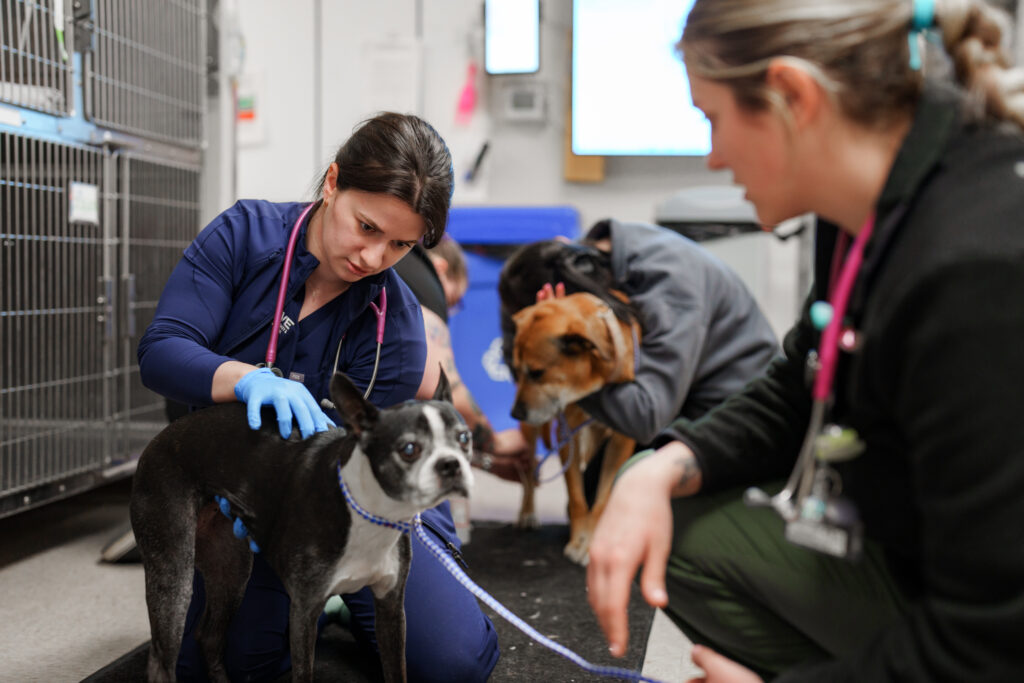
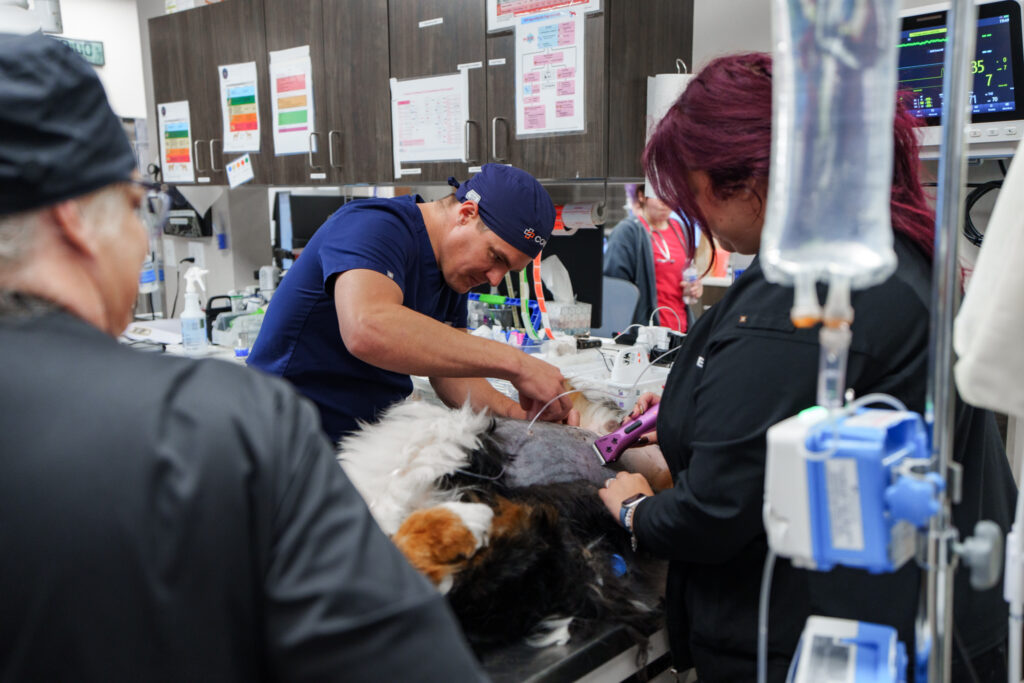
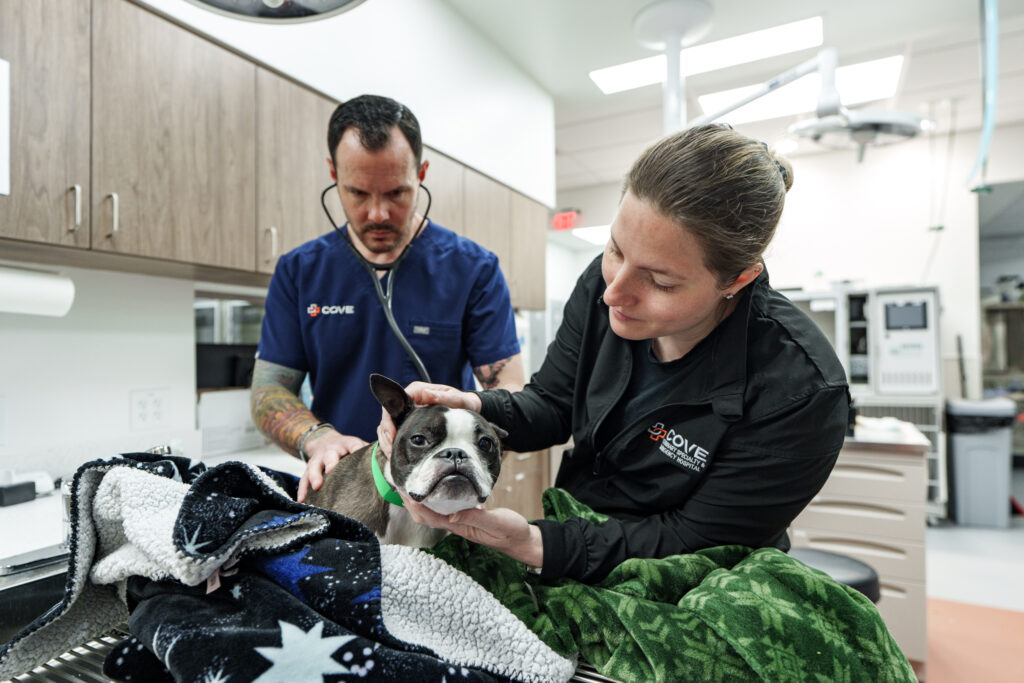
COVE Pet Care provides emergency medicine and critical care for dogs and cats with suspected poisoning in Central Ohio.